Candi secures USD 50M for solar and battery projects
Zurich-based Candi Solar secured USD 50 million in project financing from Pentagreen Capital for around 400 MWp of solar and battery storage projects in India.

Zurich-based Candi Solar secured USD 50 million in project financing from Pentagreen Capital for around 400 MWp of solar and battery storage projects in India.
Enact raises USD 30 million to develop robots that sense force and touch through their own actuators.

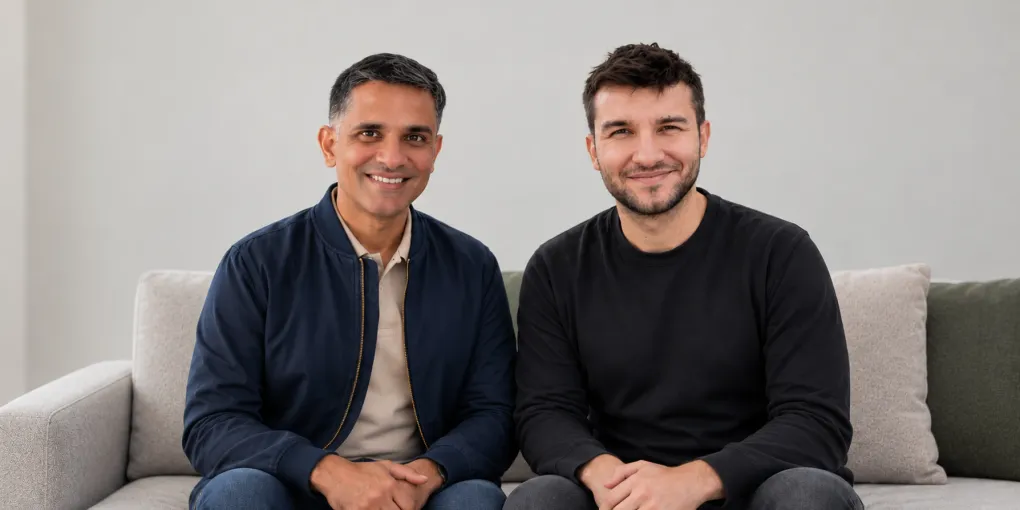
Zurich-based Klarent raised USD 8 million in seed funding to expand into the US, grow its engineering team and develop its web and mobile testing platform. Founded by former Google engineers Asheem Panakkat and Momchil Ivanov, the company names JD Sports, NZZ and Sixt among its customers.
Its agents use language models to write and adapt deterministic test code, rather than relying on an AI model to execute each test. Klarent combines this automation with human review of results, aiming to reduce the work of maintaining tests as applications change.
Zurich-based UniSieve raised USD 9 million in Series A funding, bringing its total funding to USD 25 million. The company will use the capital to scale deployment of its gas-separation membranes and adapt them to additional industrial applications.
The membranes separate molecules through precisely sized pores, offering an alternative to energy-intensive thermal separation. UniSieve says its systems have reached pre-commercial maturity in olefin separation and carbon capture at emission sources, with field-tested performance and repeatable manufacturing supporting the move towards broader commercial deployment.

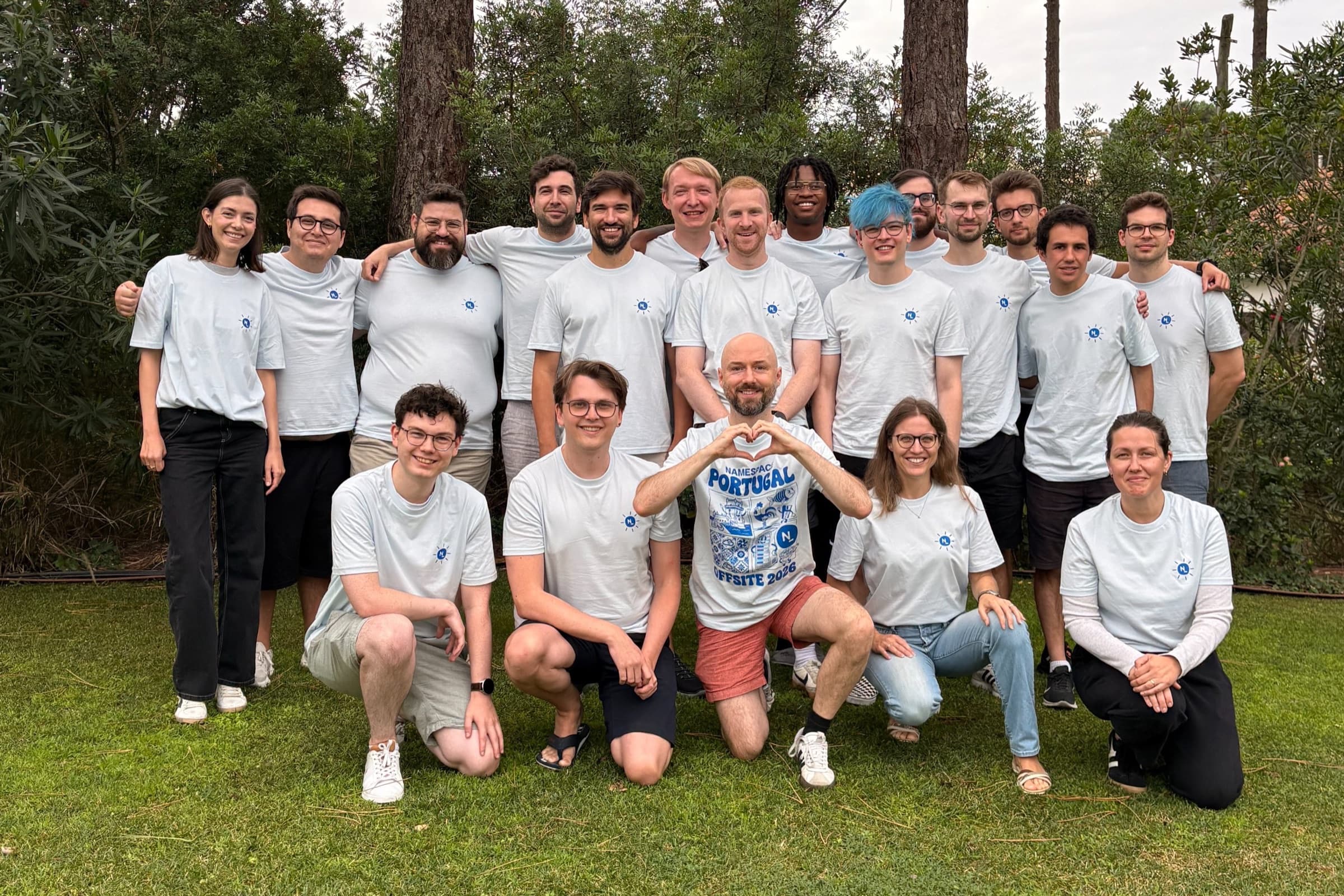
Namespace has raised USD 42M to expand its infrastructure for building and testing software. The platform runs development environments, GitHub Actions and build workloads on its own server racks, with support for Linux, Windows and macOS.
The funding will support product development and additional data-centre capacity, including a larger fleet of Mac hardware for iOS and macOS builds. Namespace reports more than 1,000 customers and eightfold revenue growth over the past year. The round brings its total funding to USD 65M, seven months after its Series A.
Cotierra raised EUR 2.6 million in a round co-led by PINC and Carbon Removal Partners to scale its decentralised biochar systems. The Zurich company is moving from pilots to repeatable, multi-year commercial deployments, initially in coffee supply chains. Participants also included Zürcher Kantonalbank and other climate-focused investors.
Cotierra combines reactors that convert agricultural residues into biochar near their source with software to operate, monitor and verify production. The carbon-rich material can be returned to farmland, while the platform supports traceability and reporting across distributed sites. The company plans to expand across agricultural regions and crops including cocoa, cotton and citrus.

Prevision Medicine has raised USD 5.4M to commercialise its cancer-treatment testing platform. Instead of relying only on how similar patients responded, the test exposes living cells from a patient's tumour to a library of treatments and measures their response.
The Zurich company plans to use the funding for regulatory clearances, reimbursement coverage and expansion across Europe. Its PrevisionOne test is intended to help clinicians evaluate treatment options for blood cancers and solid tumours, using measurements from the individual patient's cells.
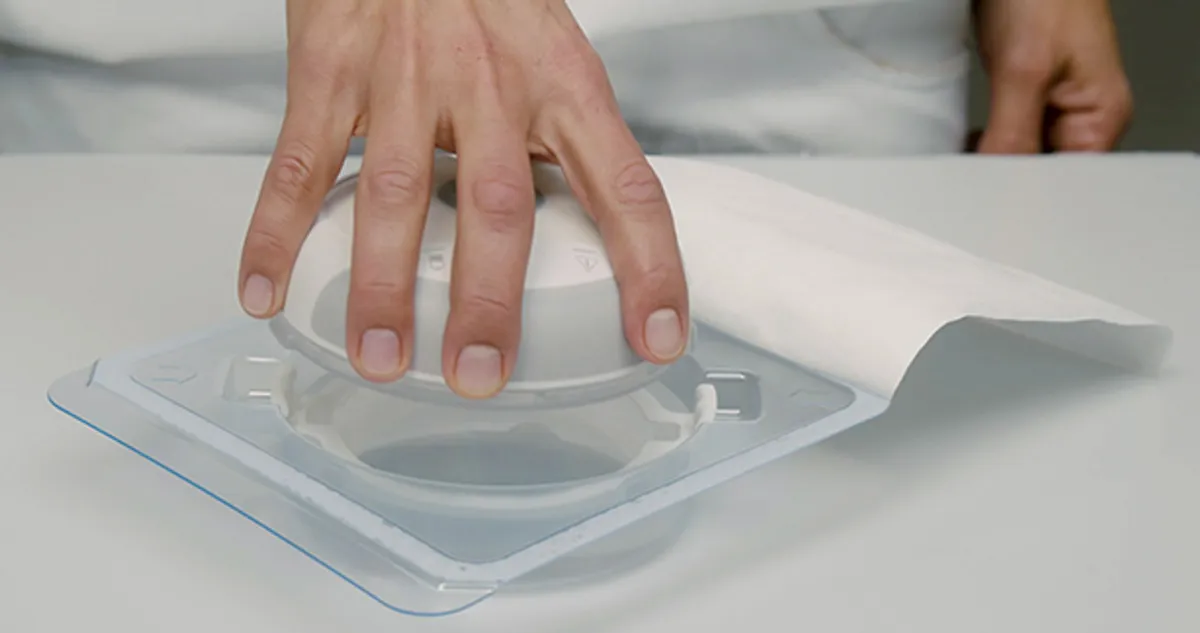
Piomic Medical secured USD 25 million in growth financing led by Swisscanto to advance COMS One, its portable treatment for hard-to-heal wounds. Swisscanto committed CHF 10 million, with existing shareholders also participating. The financing brings Piomic’s total funding above USD 50 million across equity, convertible instruments and non-dilutive funding.
COMS One combines optical and magnetic stimulation. The proceeds support the MAVERICKS study, involving 224 patients at 30 US sites, and the European NAZARÉ trial, alongside preparations for a US approval filing. The device is CE-marked in Europe but remains investigational in the United States; its FDA Breakthrough Device designation is not marketing approval.
ETFBOOK raised USD 13 million in a round led by Expedition Growth Capital, with existing investor BlackFin Capital Partners participating, to expand its ETF data and analytics platform. The Zurich company serves more than 70 enterprise customers and covers over 11,000 ETFs across Europe and the United States.
Its APIs and web application bring together fund holdings, flows and trading data for investment research and comparison. The funding will extend coverage in the Americas and Asia-Pacific and support new analytics tools. A conversational AI interface is under development, rather than an already released part of the announcement.

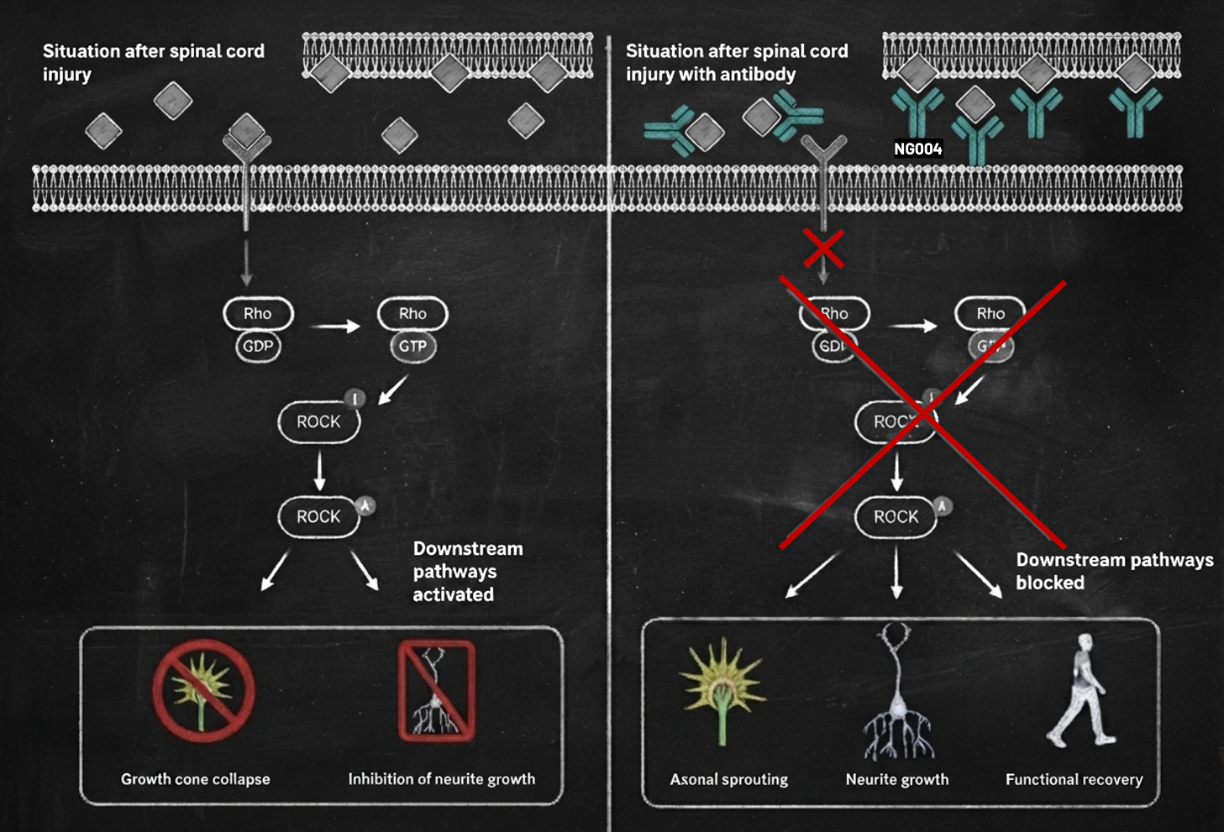
NovaGo Therapeutics raised CHF 24 million (USD 30 million) in a Series B led by Neurimmune and Pureos. The Schlieren company will use the funding to advance its anti-Nogo-A antibody into a proof-of-concept study for acute spinal cord injury. Separate non-dilutive support comes from the Swiss Paraplegic Foundation and Wings for Life.
The randomised, double-blind trial is designed to enrol 120 patients in Germany, Spain and Switzerland. The antibody targets Nogo-A, a protein that inhibits nerve-fibre regeneration, with the aim of helping damaged nerves recover. The study will test whether this approach can improve neurological function after injury.
Zurich-based xorlab raised EUR 5 million in a Series A+ led by existing investor Spicehaus Partners, with Grapha Holding, EquityPitcher Ventures and ZKB Start-up Finance also participating. The funding supports European expansion, initially across DACH, Benelux and the Nordic countries.
Its email-security software evaluates messages against an organisation's communication patterns to identify suspicious senders and requests, including phishing and business email compromise without malicious attachments. Customers can run it on their own premises, in a hybrid configuration or in a cloud service with processing in European data centres.

KOVE Medical closed a CHF 1.6 million financing round from a syndicate of angel investors to advance its amniotic-sac closure device towards first-in-human studies. The Zurich company announced the financing on 28 August.
The device is designed to close the membrane opening left by instruments used in foetal surgery. It uses the procedure's existing entry port, avoiding an additional puncture, and is intended to reduce complications associated with leakage and premature membrane rupture.
Gravis Robotics announced a USD 200 million Series A investment from SoftBank to expand autonomous construction machinery internationally. The ETH Zurich spin-off develops retrofit controls for existing heavy-equipment fleets rather than requiring contractors to replace their machines.
Its Gravis Rack combines the company's control software with a retrofit kit installed on excavators from multiple manufacturers. Operators can use in-cab 3D guidance and hazard detection or supervise machines operating autonomously. Gravis says systems were already deployed on four continents at the announcement; the new funding is intended to scale that rollout.

Aisot Technologies closed a CHF 2 million seed extension backed by existing and new investors, including family offices and angel investors. Felix Haldner, a former Partners Group partner, joined as a new investor in the Zurich-based ETH spin-off.
Aisot combines quantitative financial analysis, machine learning and language-model analysis of news sentiment to support portfolio construction and risk management. Its software gives asset managers access to forecasting and portfolio-personalisation tools without operating the underlying AI infrastructure themselves.

Exclaim Robotics raised USD 4.95 million in pre-seed funding backed by Founderful to develop robots for AI data-centre maintenance. The Zurich company is targeting physical tasks that software cannot perform, including replacing optical modules, cabling and drives in server racks. Its investor points to the move toward 800V DC rack infrastructure as a reason to automate work close to live electrical equipment.
The company is developing manipulation skills for tightly packed cables, delicate optical connectors and drives that must be aligned precisely. Its planned autonomy combines those task-specific skills with the ability to assess the surrounding environment and approach a maintenance job. When confidence is low, the robot is designed to request teleoperation support. Exclaim says automating routine rack maintenance could reduce the need for staff inside server halls; it was recruiting in Zurich when the funding was announced.
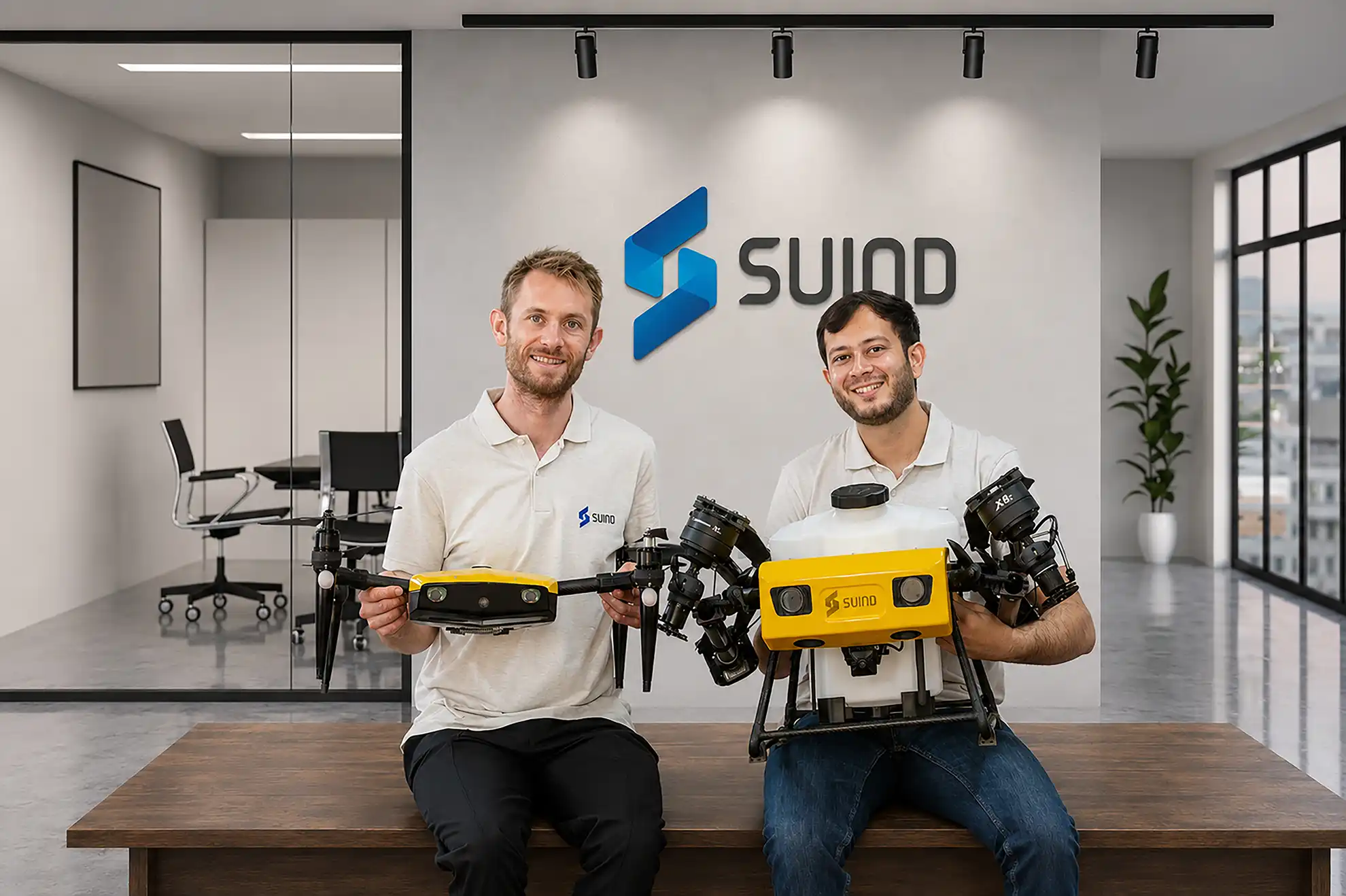
SUIND has raised INR 205 million in a seed round led by Transition VC, with participation from IIMA Ventures. Founded by ETH Zurich alumni, the company now operates primarily from Bengaluru and retains a Zurich presence. The financing will expand deployment of its Bumblebee agricultural drone and support development of WASP, an aerial inspection and monitoring platform.
Its flight technology uses computer vision to navigate close to terrain and obstacles where GPS alone is unreliable. Bumblebee is already deployed for crop spraying; WASP extends the approach to other inspection and surveillance tasks. The company plans to strengthen its engineering team and scale manufacturing and commercial deployments, with India remaining its main market.
Ahead Health announced USD 10 million in funding led by 3VC and RTP Global to support expansion beyond Switzerland. On 29 July, the Zurich-based preventive-health company opened bookings in Munich and a waiting list in the Netherlands.
The new-market rollout starts with doctor-reviewed blood tests, with imaging planned to follow. Ahead's broader platform brings together medical history, blood results and imaging for review over time, and the company works with existing clinics, radiology centres and doctors rather than building its own facilities.
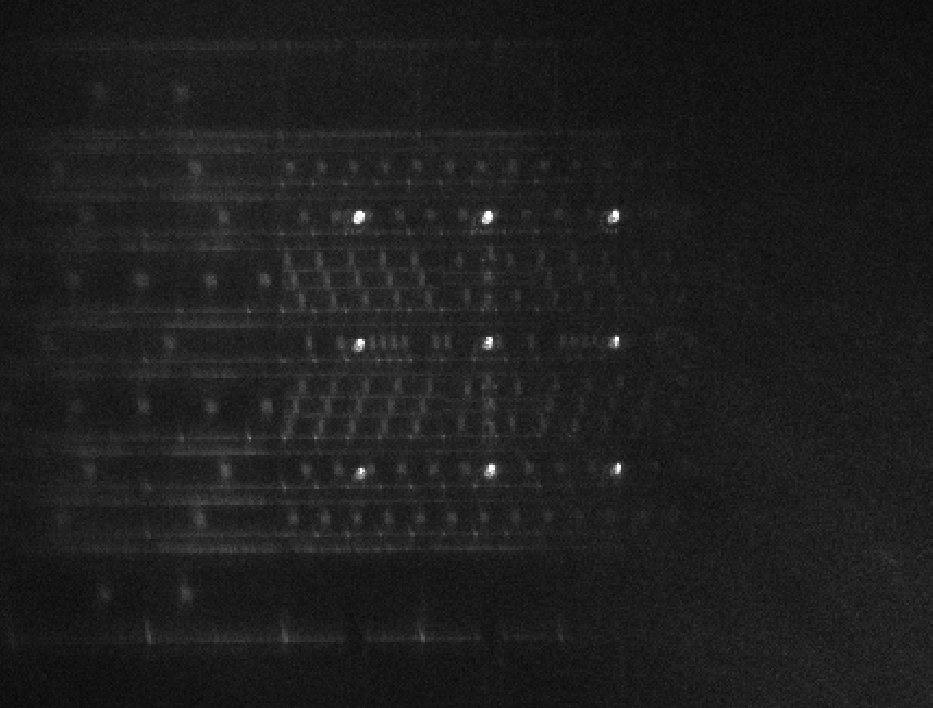
ZuriQ raised USD 25.5 million in seed funding led by Quantonation, with Forward.one, Extantia, Firgun Ventures and investors from its previous round participating. The ETH Zurich spin-off will expand its team, research programme and chip fabrication as it scales trapped-ion quantum processors.
The company and ETH researchers have built a demonstrator containing nine individually controlled ions in a 3-by-3 array, using chips fabricated with Infineon. Its Penning micro-traps use a static magnetic field and support a natively two-dimensional layout. The funding targets larger arrays; hundreds of qubits remain a development goal rather than the demonstrated system's capacity.
Neurimmune has agreed royalty financing worth up to USD 425 million with Royalty Pharma. The Schlieren biotechnology company receives USD 125 million upfront and another USD 125 million in the first quarter of 2027, while USD 175 million depends on clinical and regulatory milestones. In return, Royalty Pharma receives a 3% to 4% royalty on worldwide net sales of cliramitug.
The proceeds will support Neurimmune's internal research and development without issuing new equity. Cliramitug is an investigational antibody intended to remove amyloid deposits from the hearts of patients with transthyretin amyloid cardiomyopathy; Alexion, AstraZeneca Rare Disease, is responsible for its development and is evaluating it in a Phase 3 trial. Neurimmune retains substantial royalty and milestone interests.
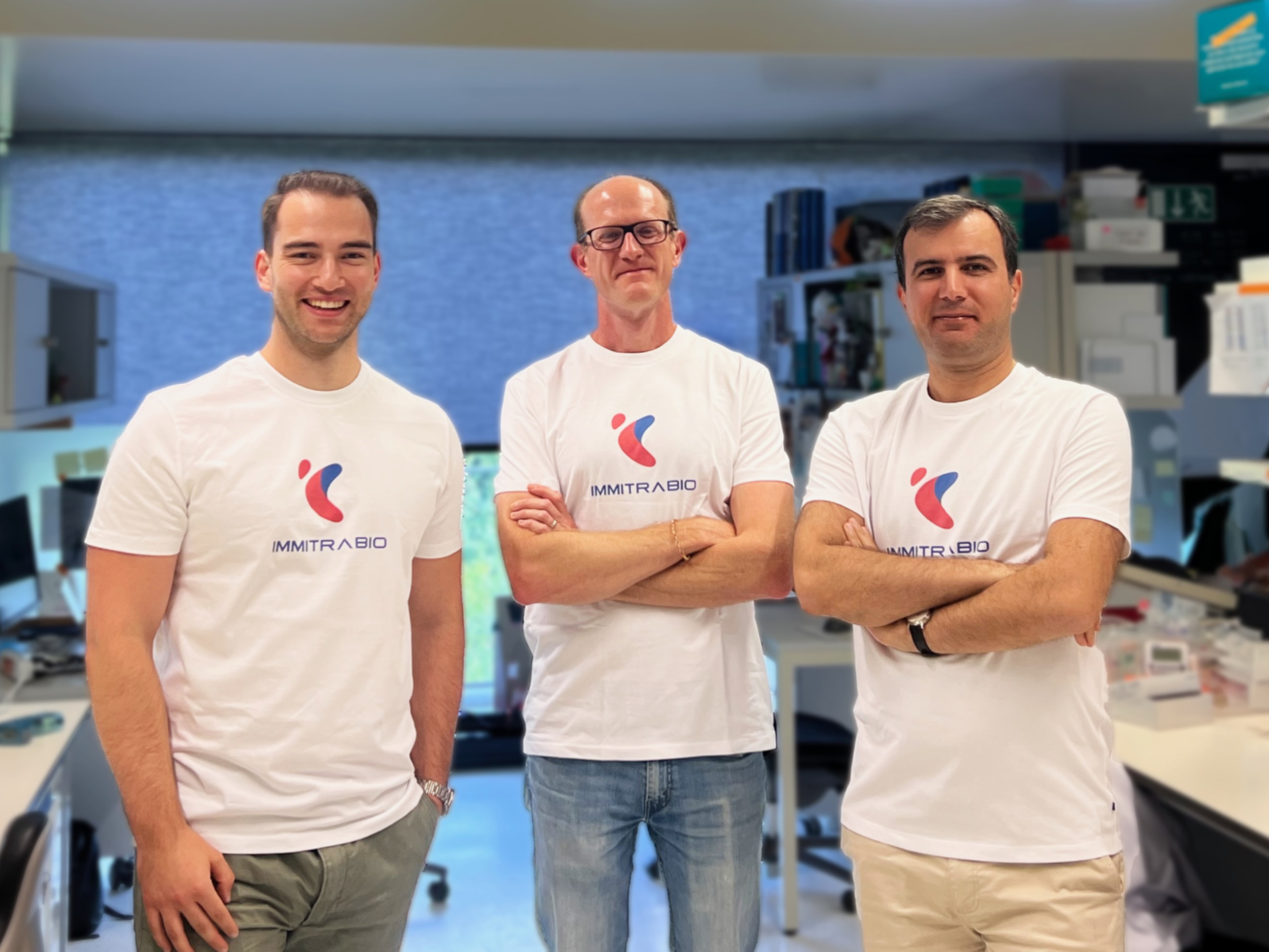
Immitra Bio has secured CHF 2.4 million to develop gene-editing treatments, comprising CHF 2.25 million from investors and CHF 150,000 in non-dilutive funding. Backbone Ventures led the financing with OCCIDENT as co-lead. The ETH spin-off has research laboratories in Schlieren and its headquarters in Geneva.
The money will support preclinical studies of IB-003, its lead candidate for an inherited anaemia. Rather than removing, editing and transplanting a patient's stem cells, the company is developing a treatment that edits cells inside the body. Its aim is an off-the-shelf therapy that works across different mutations causing the same disease, without chemotherapy or individual cell manufacturing; the financing supports testing this approach, not a treatment already available to patients.