One-hour treatment improves blood stem cell transplants in mice
UZH researchers treated human blood stem cells with a protein for one hour, improving their ability to regenerate blood after transplantation into mice.

UZH researchers treated human blood stem cells with a protein for one hour, improving their ability to regenerate blood after transplantation into mice.
Prevision Medicine has raised USD 5.4M to commercialise its cancer-treatment testing platform. Instead of relying only on how similar patients responded, the test exposes living cells from a patient's tumour to a library of treatments and measures their response.
The Zurich company plans to use the funding for regulatory clearances, reimbursement coverage and expansion across Europe. Its PrevisionOne test is intended to help clinicians evaluate treatment options for blood cancers and solid tumours, using measurements from the individual patient's cells.
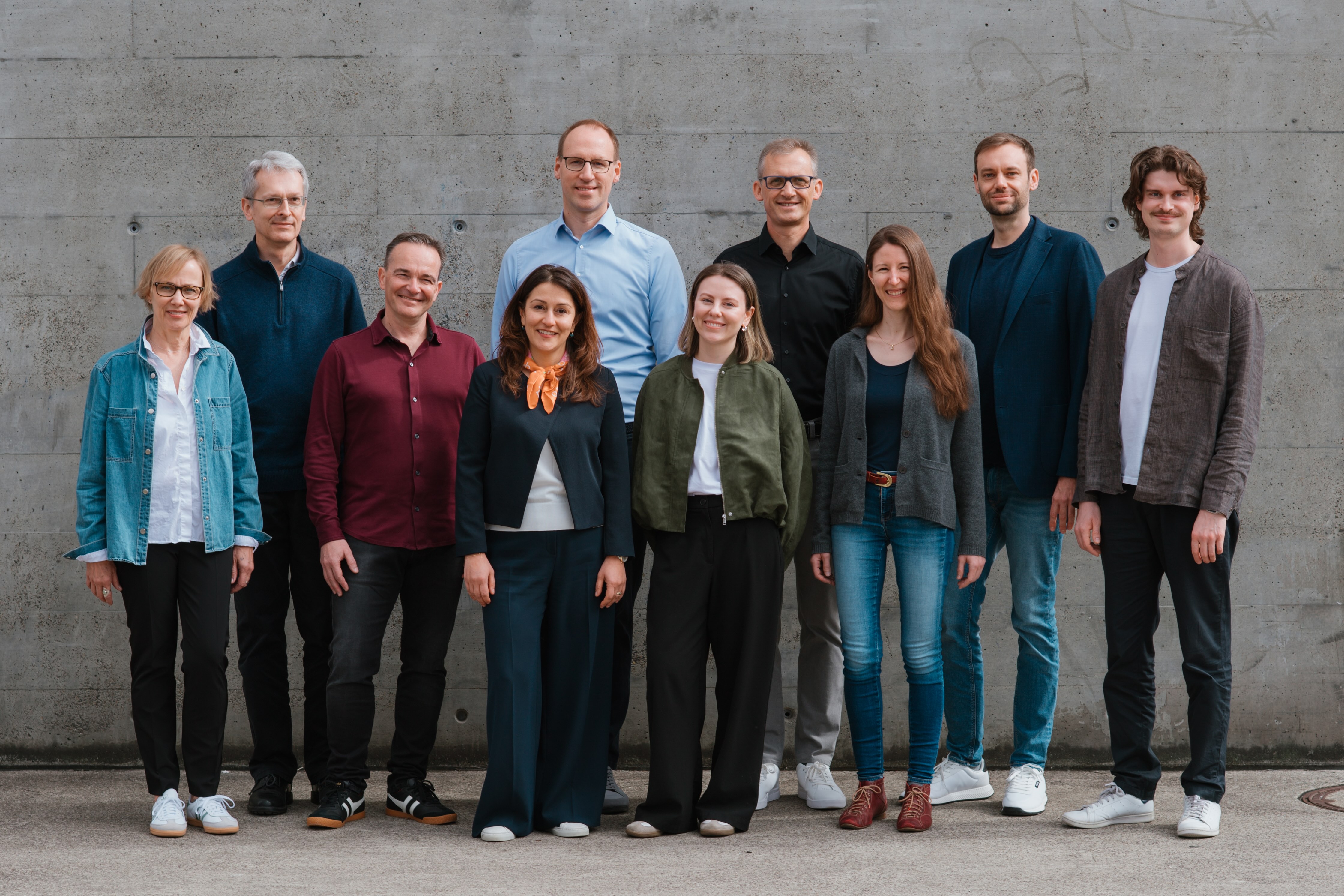
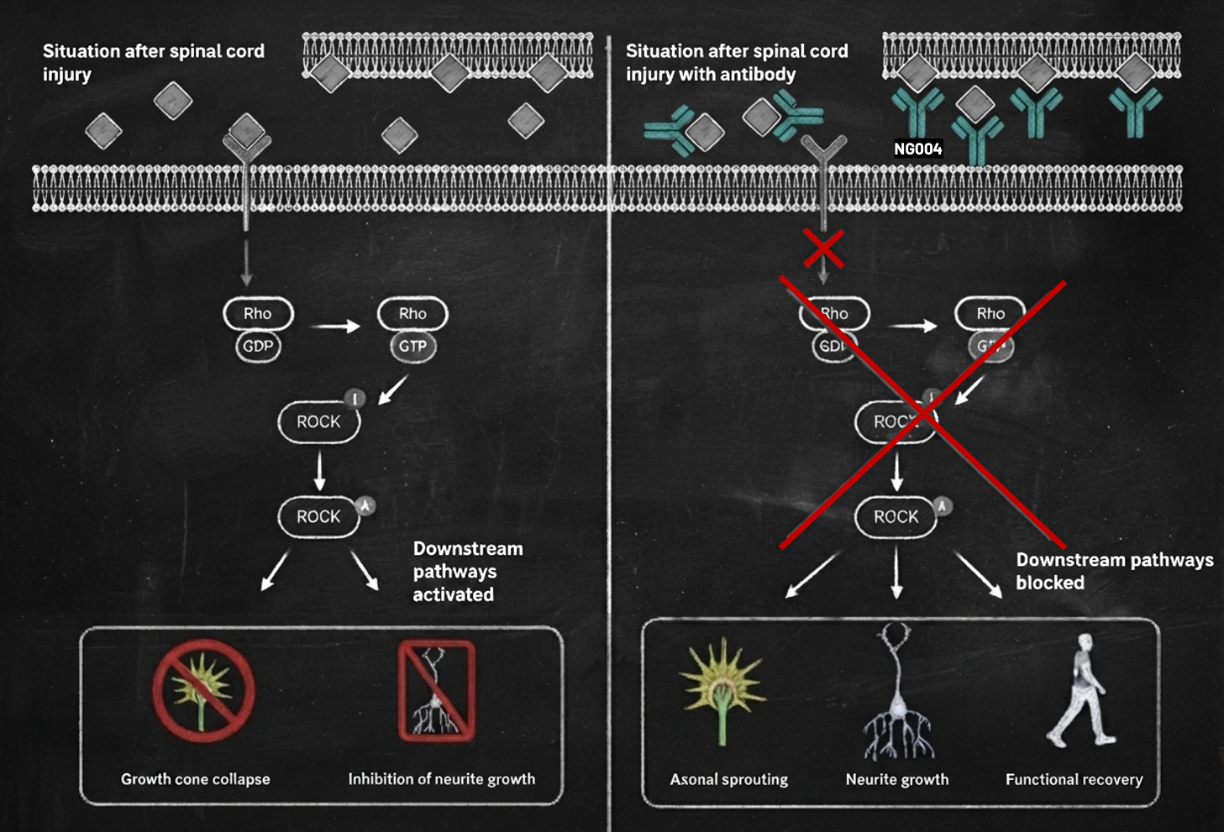
NovaGo Therapeutics raised CHF 24 million (USD 30 million) in a Series B led by Neurimmune and Pureos. The Schlieren company will use the funding to advance its anti-Nogo-A antibody into a proof-of-concept study for acute spinal cord injury. Separate non-dilutive support comes from the Swiss Paraplegic Foundation and Wings for Life.
The randomised, double-blind trial is designed to enrol 120 patients in Germany, Spain and Switzerland. The antibody targets Nogo-A, a protein that inhibits nerve-fibre regeneration, with the aim of helping damaged nerves recover. The study will test whether this approach can improve neurological function after injury.
ETH Zurich researchers have demonstrated a way to turn whole-legume preparations into layered, fibrous foods without extracting isolated proteins. They soak and blend the legumes, heat the puree into a gel, then freeze it from one side. Growing ice crystals compress the ingredients into aligned layers that remain after thawing.
The method worked across varieties accounting for 96 percent of global legume production. Different legumes and water contents produced different firmness, giving food developers a way to vary texture with a simple process that can also be tried in a household freezer. ETH has published a practical guide; consumer preferences and finished recipes remain to be explored.

Neurimmune has agreed royalty financing worth up to USD 425 million with Royalty Pharma. The Schlieren biotechnology company receives USD 125 million upfront and another USD 125 million in the first quarter of 2027, while USD 175 million depends on clinical and regulatory milestones. In return, Royalty Pharma receives a 3% to 4% royalty on worldwide net sales of cliramitug.
The proceeds will support Neurimmune's internal research and development without issuing new equity. Cliramitug is an investigational antibody intended to remove amyloid deposits from the hearts of patients with transthyretin amyloid cardiomyopathy; Alexion, AstraZeneca Rare Disease, is responsible for its development and is evaluating it in a Phase 3 trial. Neurimmune retains substantial royalty and milestone interests.
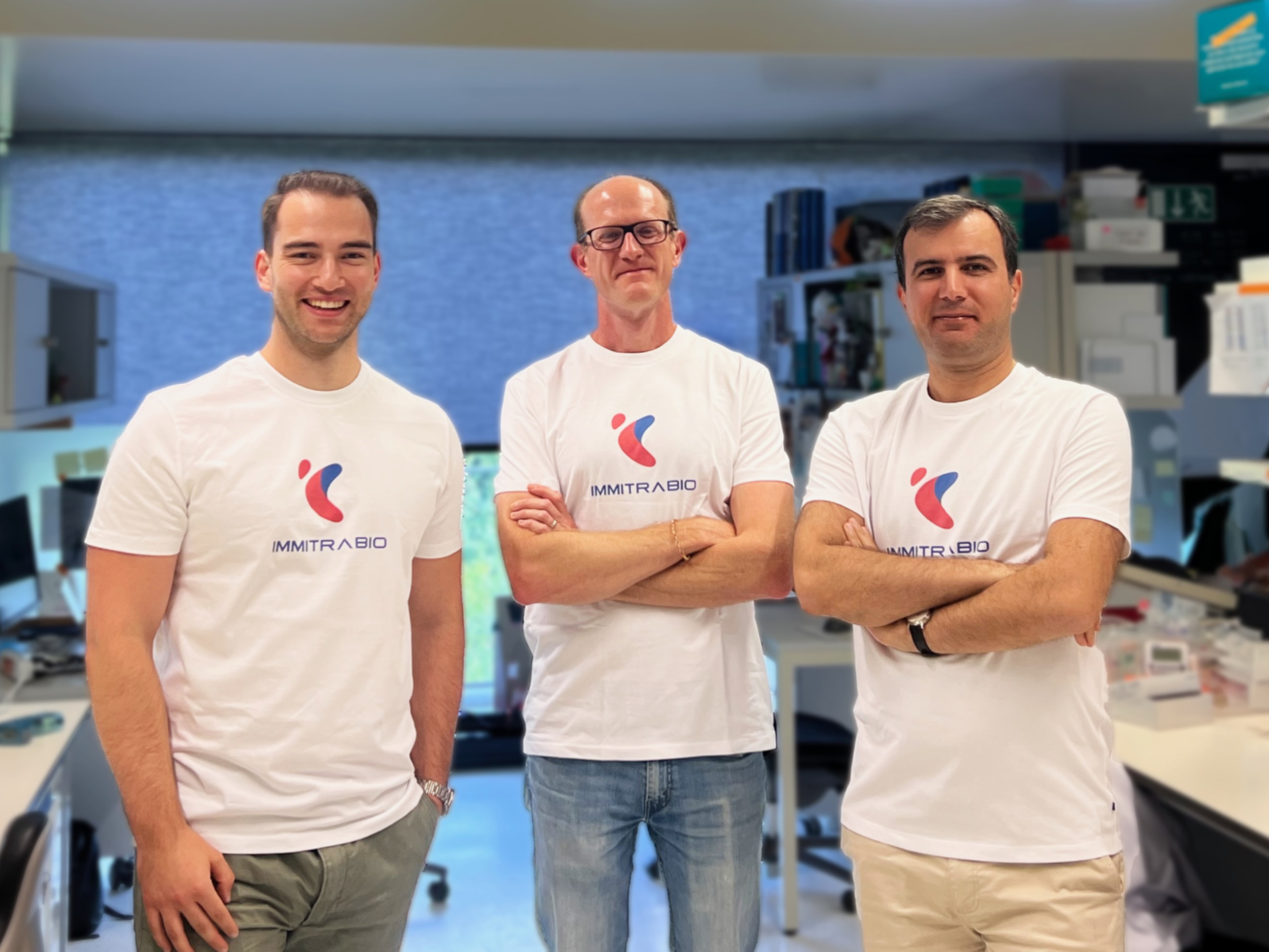
Immitra Bio has secured CHF 2.4 million to develop gene-editing treatments, comprising CHF 2.25 million from investors and CHF 150,000 in non-dilutive funding. Backbone Ventures led the financing with OCCIDENT as co-lead. The ETH spin-off has research laboratories in Schlieren and its headquarters in Geneva.
The money will support preclinical studies of IB-003, its lead candidate for an inherited anaemia. Rather than removing, editing and transplanting a patient's stem cells, the company is developing a treatment that edits cells inside the body. Its aim is an off-the-shelf therapy that works across different mutations causing the same disease, without chemotherapy or individual cell manufacturing; the financing supports testing this approach, not a treatment already available to patients.
Treeless has closed an oversubscribed CHF 1.2 million financing round. The ETH Zurich spin-off, which has offices, laboratories and production facilities in Schlieren, develops materials made using microorganisms as alternatives to fossil-based ingredients.
The company will use the funding to commercialise its technology, develop its modular manufacturing platform, expand its team and strengthen industrial collaborations. Its work combines biotechnology and automated production to supply materials and formulations for industrial customers.
Ipsen agreed to acquire Schlieren-based Memo Therapeutics for EUR 200 million at closing, with development, regulatory and sales milestones that could take total consideration above EUR 700 million. The transaction centres on potravitug, an antibody being developed against BK polyomavirus infection in kidney-transplant recipients. Ipsen confirmed completion on 22 July.
Potravitug had completed a 95-patient Phase II trial and remained investigational at the announcement. Memo’s DROPZYLLA antibody-discovery platform, its CSL collaboration and employees working on other programmes were carved out into Memorises Bio, retained by Memo’s existing shareholders. The contingent payments are not guaranteed proceeds or a new funding round.

ETH Zurich and University of Zurich researchers have combined neural progenitor cells with magnetoelectric nanoparticles to create microrobots that can be guided and stimulated using external magnetic fields. The particles turn magnetic signals into electrical stimulation, encouraging the transplanted cells to develop into nerve cells without implanted electrodes. A microfluidic production system assembles the cell-particle combinations.
In injured zebrafish larvae, the treatment restored nearly normal swimming and exploratory behaviour within three days. Mice with completely severed spinal cords showed substantial improvements in movement over four weeks, alongside neural repair at the injury site. These are preclinical results: long-term particle clearance, suitable stimulation settings and safety must be established before human testing.

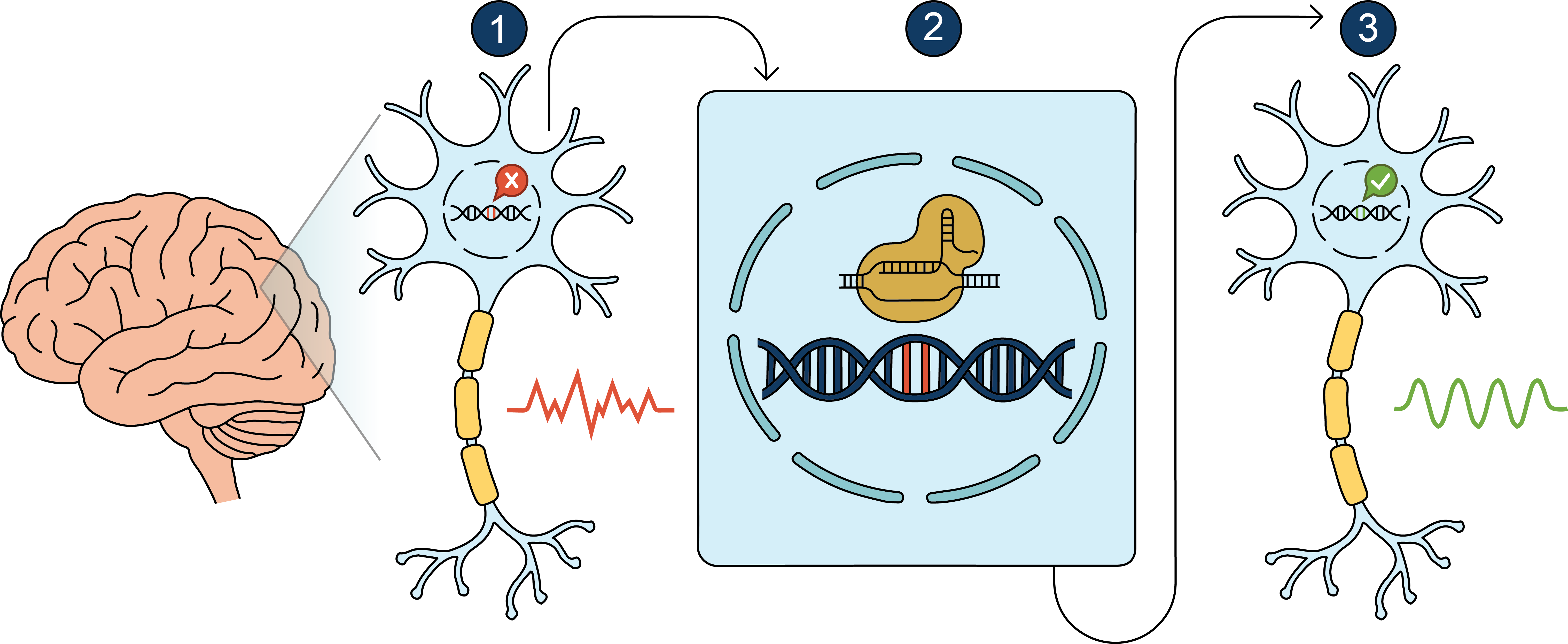
University of Zurich researchers have used prime editing to repair an inherited epilepsy mutation directly in mouse brain cells. The treatment corrected the faulty SCN1A sequence rather than adding another copy of the gene, preserving its normal regulation. It improved communication between nerve cells and survival in a model of the inherited epilepsy syndrome GEFS+.
Around 80 percent of untreated control animals developed fever-induced seizures, compared with about 15 percent after the most effective editing treatment. The work targets the genetic cause rather than suppressing symptoms with medication. The result is specific to this mutation and mouse model; it has not yet established an effective treatment for people with epilepsy.
Schlieren-based ALP Bio has raised USD 2.2 million in pre-seed financing led by 42CAP, with participation from Venture Kick and strategic angel investors. The company combines human immune organoids with generative AI to identify and reduce the risk of immune responses against therapeutic antibodies earlier in drug development.

Cosaic raised USD 6 million in a seed extension led by dsm-firmenich Ventures, with a Swiss family office, Kickfund and existing investors including Navus Ventures and Zurich Cantonal Bank participating. The Horgen company will fund regulatory work, production scale-up and industrial trials with major customers as it prepares for market entry.
Formerly Cultivated Biosciences, Cosaic develops yeast-fermentation ingredients that combine texture, stability and other functions in a single component. Its approach aims to simplify formulations that otherwise require several ingredients and additives.

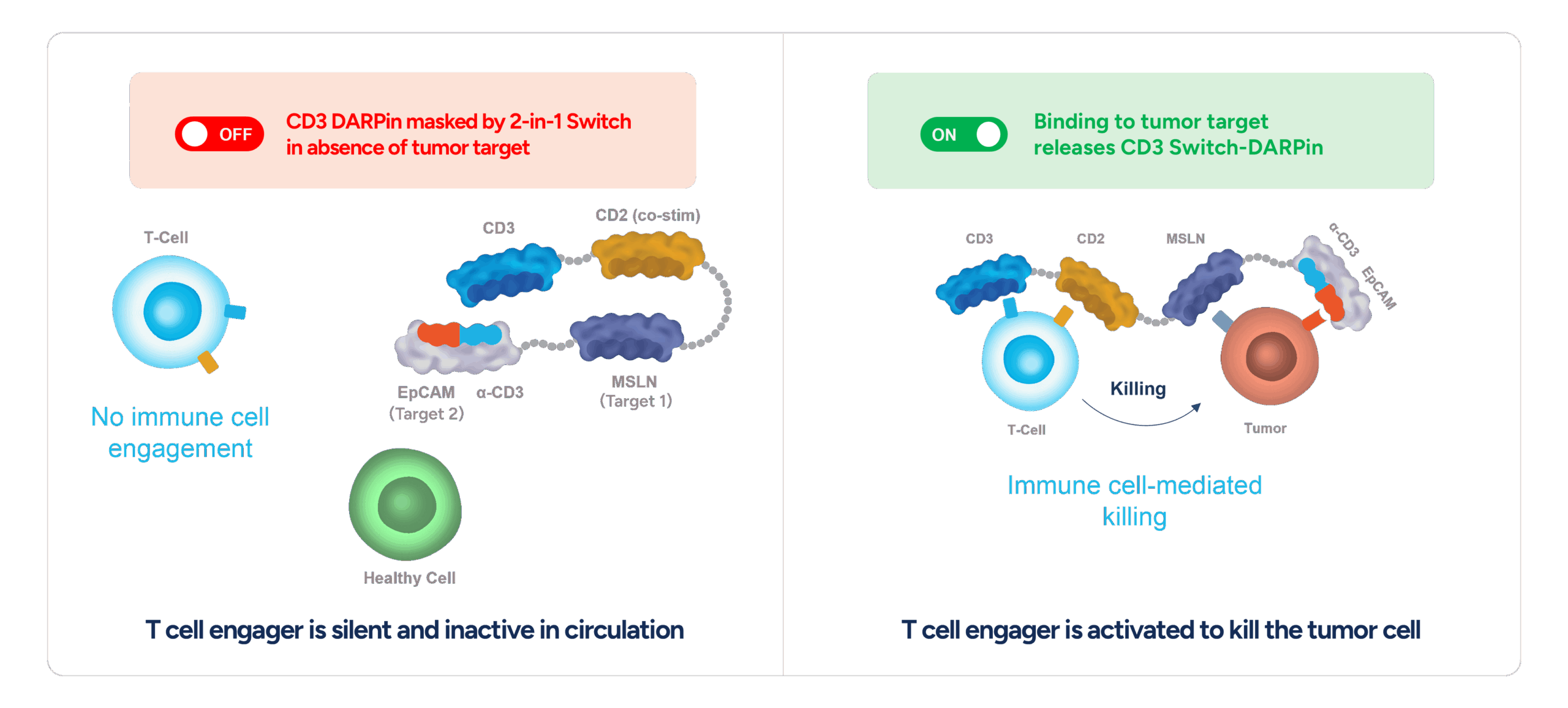
Schlieren-based Molecular Partners reported preclinical proof of concept for MP0632, a protein therapeutic designed to activate T cells only after recognising two tumour markers together. The company reported regression of established tumours expressing both mesothelin and EpCAM, with minimal effects on tumours expressing just one of the markers.
The Switch-DARPin design exposes its CD3-binding component when both targets are engaged and adds CD2 co-stimulation to strengthen the immune response. The AACR data package also reported low cytokine release during tumour-cell killing. MP0632 was selected as the company's first logic-gated T-cell engager candidate for ovarian cancer and other solid tumours carrying the two markers.
ETH Zurich researchers developed a light-sensitive hydrogel that can be patterned at writing speeds of up to 400 millimetres per second, with structures as small as 500 nanometres. A new crosslinking molecule allows laser pulses to solidify selected regions of a mixture containing 97 percent water, creating intricate scaffolds modelled on bone architecture.
In laboratory cell cultures, bone-forming cells colonised the printed structures and began producing collagen. The team led by Xiao-Hua Qin and Ralph Müller reported the fabrication method in Advanced Materials and patented the base material. The work remains at the in-vitro stage, with animal tests planned to examine bone formation and mechanical recovery.

Haelixa raised EUR 2 million in a pre-Series A led by existing investors Verve Ventures and Zurich Cantonal Bank, with 212 NexT Fund participating. The ETH Zurich spin-off will use the capital for international expansion, hiring and development of its traceability and anti-counterfeiting products.
The Kemptthal company applies DNA markers to physical materials so their origin and authenticity can be checked later in the supply chain. Its technology is used in textiles, precious metals and gemstones, linking product claims to evidence on the material itself.

Oncobit develops liquid biopsy tests and software for monitoring cancer.
Virometix develops synthetic vaccines against infectious diseases.
arcoris bio develops biomarker detection technology for digital pathology.
CUTISS closed its Series C at CHF 56 million, including the CHF 25 million first closing announced in May 2024. The company said the proceeds would support the ongoing Phase 3 trial of its personalized skin graft denovoSkin and preparation for commercialization.
The financing also supports automated tissue manufacturing. CUTISS signed a collaboration agreement with new investor Rode Kruis Ziekenhuis, a Dutch hospital participating in denovoSkin trials, that could lead to its first international commercial production facility. That facility remained conditional on commercial approval of denovoSkin.

cellvie develops mitochondrial therapies for damaged organs.