Menu

News

Medtech

Tags

Piomic Medical raises USD 25M growth financing

Piomic Medical secured USD 25 million in growth financing led by Swisscanto to advance COMS One, its portable treatment for hard-to-heal wounds. Swisscanto committed CHF 10 million, with existing shareholders also participating. The financing brings Piomic’s total funding above USD 50 million across equity, convertible instruments and non-dilutive funding.

COMS One combines optical and magnetic stimulation. The proceeds support the MAVERICKS study, involving 224 patients at 30 US sites, and the European NAZARÉ trial, alongside preparations for a US approval filing. The device is CE-marked in Europe but remains investigational in the United States; its FDA Breakthrough Device designation is not marketing approval.
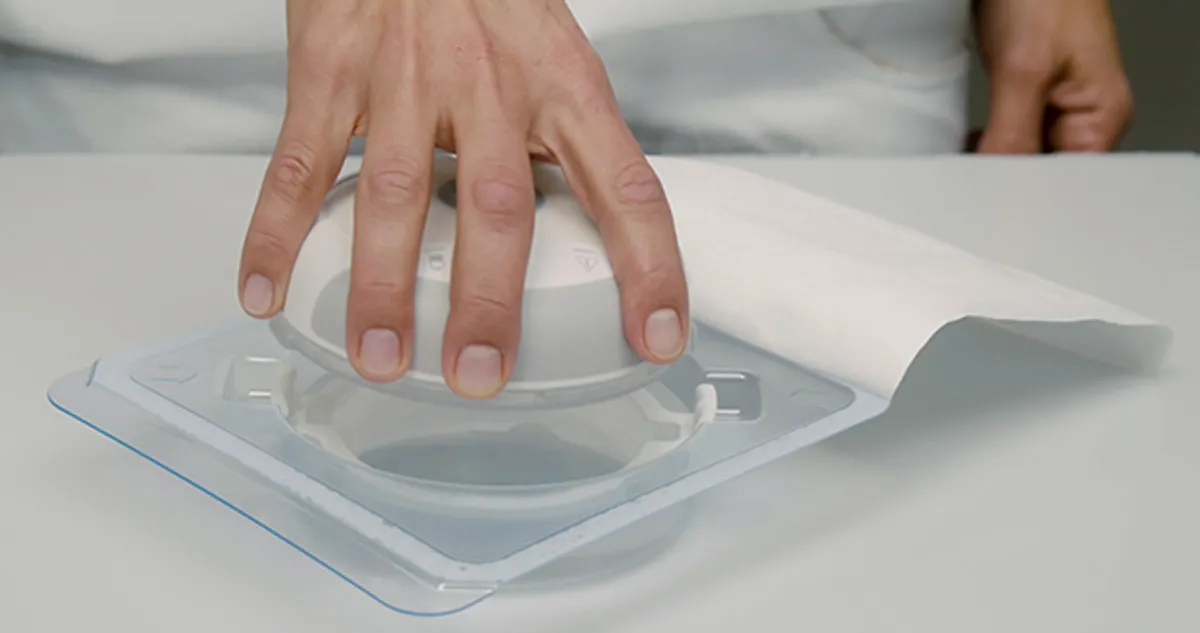

COMS One therapy unit and adapter. Image: Piomic Medical

KOVE Medical raises CHF 1.6M

KOVE Medical closed a CHF 1.6 million financing round from a syndicate of angel investors to advance its amniotic-sac closure device towards first-in-human studies. The Zurich company announced the financing on 28 August.

The device is designed to close the membrane opening left by instruments used in foetal surgery. It uses the procedure's existing entry port, avoiding an additional puncture, and is intended to reduce complications associated with leakage and premature membrane rupture.

Founder and CEO Yannick Devaud. Image: KOVE medical

Ahead Health raises USD 10M

Ahead Health announced USD 10 million in funding led by 3VC and RTP Global to support expansion beyond Switzerland. On 29 July, the Zurich-based preventive-health company opened bookings in Munich and a waiting list in the Netherlands.

The new-market rollout starts with doctor-reviewed blood tests, with imaging planned to follow. Ahead's broader platform brings together medical history, blood results and imaging for review over time, and the company works with existing clinics, radiology centres and doctors rather than building its own facilities.

CEO Nick Lenten. Image: Ahead Health

Medyria raises CHF 3.5M

Medyria has closed a CHF 3.5 million investment round to support the US market entry of its PyCath system. The Winterthur medical-device company announced the financing in a release dated July 14, subsequently shared through its own LinkedIn account.

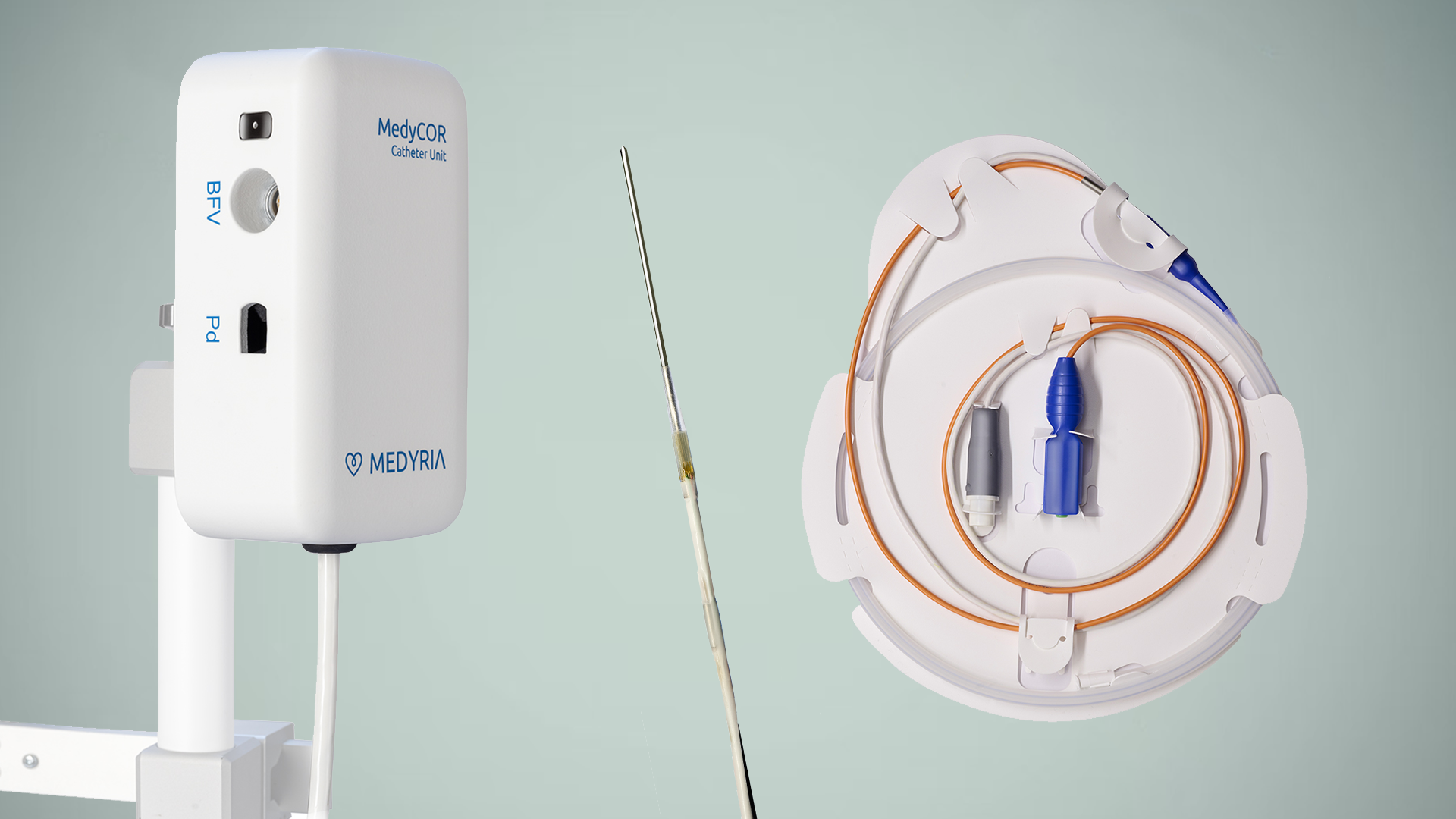
PyCath combines a catheter and a blood-flow-velocity sensor to help cardiologists assess coronary and microvascular physiology during interventional procedures. The company says the financing will advance the project; the announcement does not establish that US regulatory clearance or commercial launch has already occurred.

Medyria's PyCath catheter and MedyCOR catheter unit, shown in the company's product illustration. Image: Medyria.

Magnetically controlled cell carriers improve spinal-cord repair in animal tests

ETH Zurich and University of Zurich researchers have combined neural progenitor cells with magnetoelectric nanoparticles to create microrobots that can be guided and stimulated using external magnetic fields. The particles turn magnetic signals into electrical stimulation, encouraging the transplanted cells to develop into nerve cells without implanted electrodes. A microfluidic production system assembles the cell-particle combinations.

In injured zebrafish larvae, the treatment restored nearly normal swimming and exploratory behaviour within three days. Mice with completely severed spinal cords showed substantial improvements in movement over four weeks, alongside neural repair at the injury site. These are preclinical results: long-term particle clearance, suitable stimulation settings and safety must be established before human testing.

Zebrafish spinal-cord images at the start and after three days, comparing uninjured, injured and microrobot-treated tissue. Image: ETH Zurich.

Gene editing repairs an epilepsy mutation in mouse brain cells

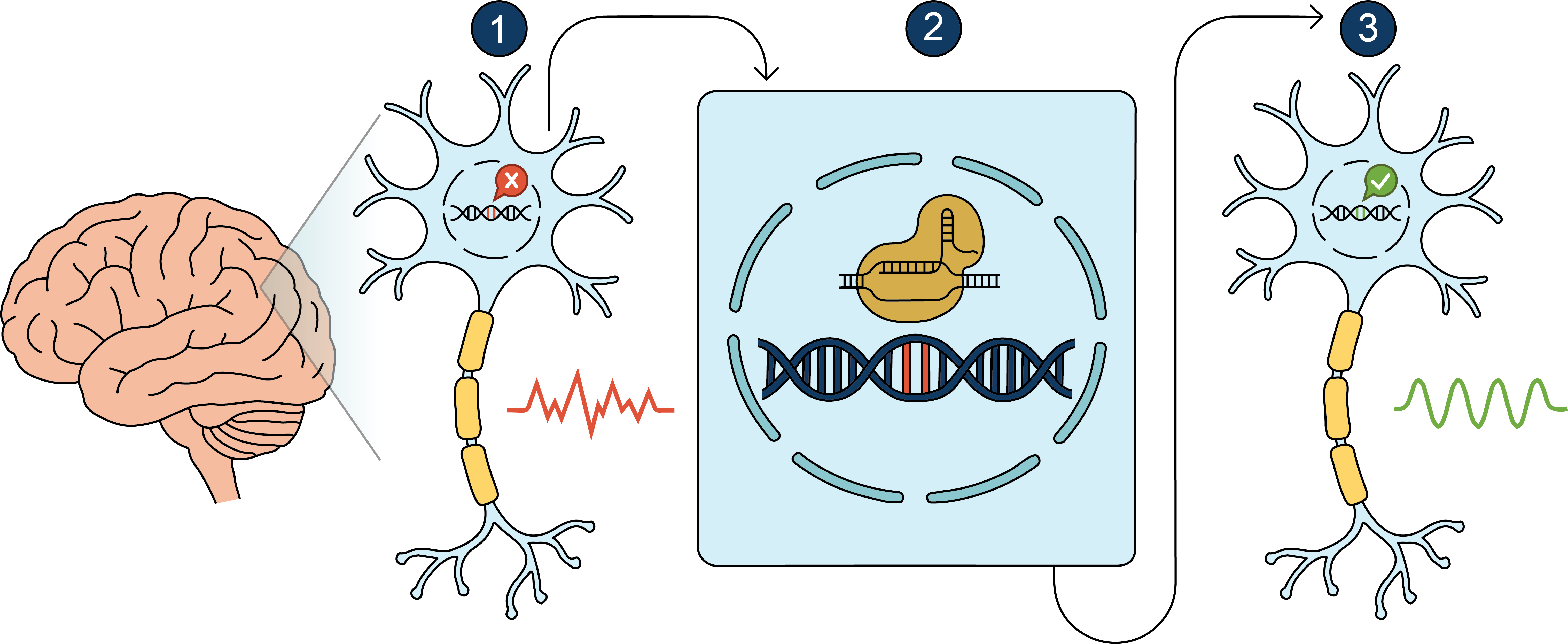
University of Zurich researchers have used prime editing to repair an inherited epilepsy mutation directly in mouse brain cells. The treatment corrected the faulty SCN1A sequence rather than adding another copy of the gene, preserving its normal regulation. It improved communication between nerve cells and survival in a model of the inherited epilepsy syndrome GEFS+.

Around 80 percent of untreated control animals developed fever-induced seizures, compared with about 15 percent after the most effective editing treatment. The work targets the genetic cause rather than suppressing symptoms with medication. The result is specific to this mutation and mouse model; it has not yet established an effective treatment for people with epilepsy.

Prime editing corrects a disease-causing SCN1A mutation in mice. Illustration: Lucas Kissling / UZH

Connectome raises USD 2M pre-seed

Connectome Health announced USD 2 million in pre-seed financing as it emerged from stealth. Founded by Lucas Scherdel and Rufus Mitchell-Heggs, the Zurich company is developing software to track brain function over time rather than relying on isolated measurements.

Its platform combines brain measurements with information about an individual's circumstances to establish personal baselines and interpret changes in cognition. The funding supports development of this measurement infrastructure for health and performance applications.

Connectome's brain-activity dashboard and monitoring helmet. Source: Imperial College London

Ahead Health raises USD 6M

Ahead Health raised USD 6 million in funding led by RTP Global, with Tiny.VC, Pareto 20 and individual investors participating. The Zurich preventive-health company combines medical check-ups and diagnostic results in an AI-supported platform.

Its service brings together MRI scans, blood tests and other health information to produce doctor-reviewed assessments. The funding supports development of the platform and broader access to preventive check-ups.

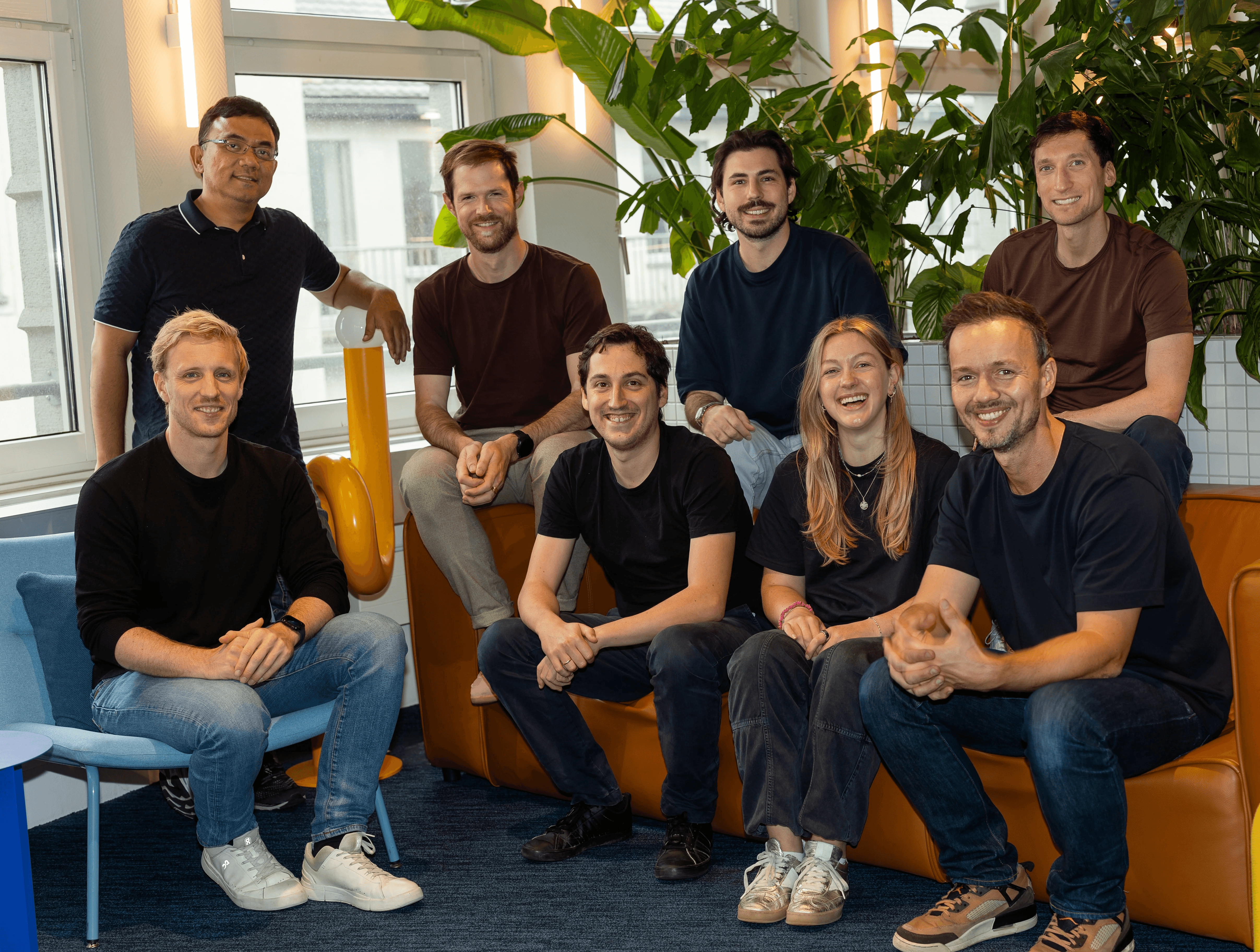
Ahead Health team. Photo: Ahead Health

Magnetic microrobots navigate blood vessels in pigs

ETH Zurich researchers developed a drug-carrying microrobot that combines magnetic steering, X-ray visibility and triggered drug release in a dissolvable capsule. Iron oxide nanoparticles provide magnetic control, while tantalum particles make the capsule visible during navigation. A catheter releases it near the target, and an external electromagnetic system guides it through vessels or cerebrospinal fluid.

The preclinical work combined rolling along vessel walls, pulling with magnetic gradients and using blood flow to steer through junctions. Researchers dissolved a clot in a realistic vessel model, demonstrated all three navigation modes in pigs and guided capsules through a sheep's cerebrospinal fluid. A high-frequency magnetic field heats the particles to dissolve the gel and release the payload. The integrated system, reported in Science, brings delivery, imaging and control together in a platform designed for further clinical development.

Drug-carrying magnetic microrobot on a fingertip. Photo: Luca Donati / ETH Zurich.

Ultrasound stimulates multiple brain sites at once in mice

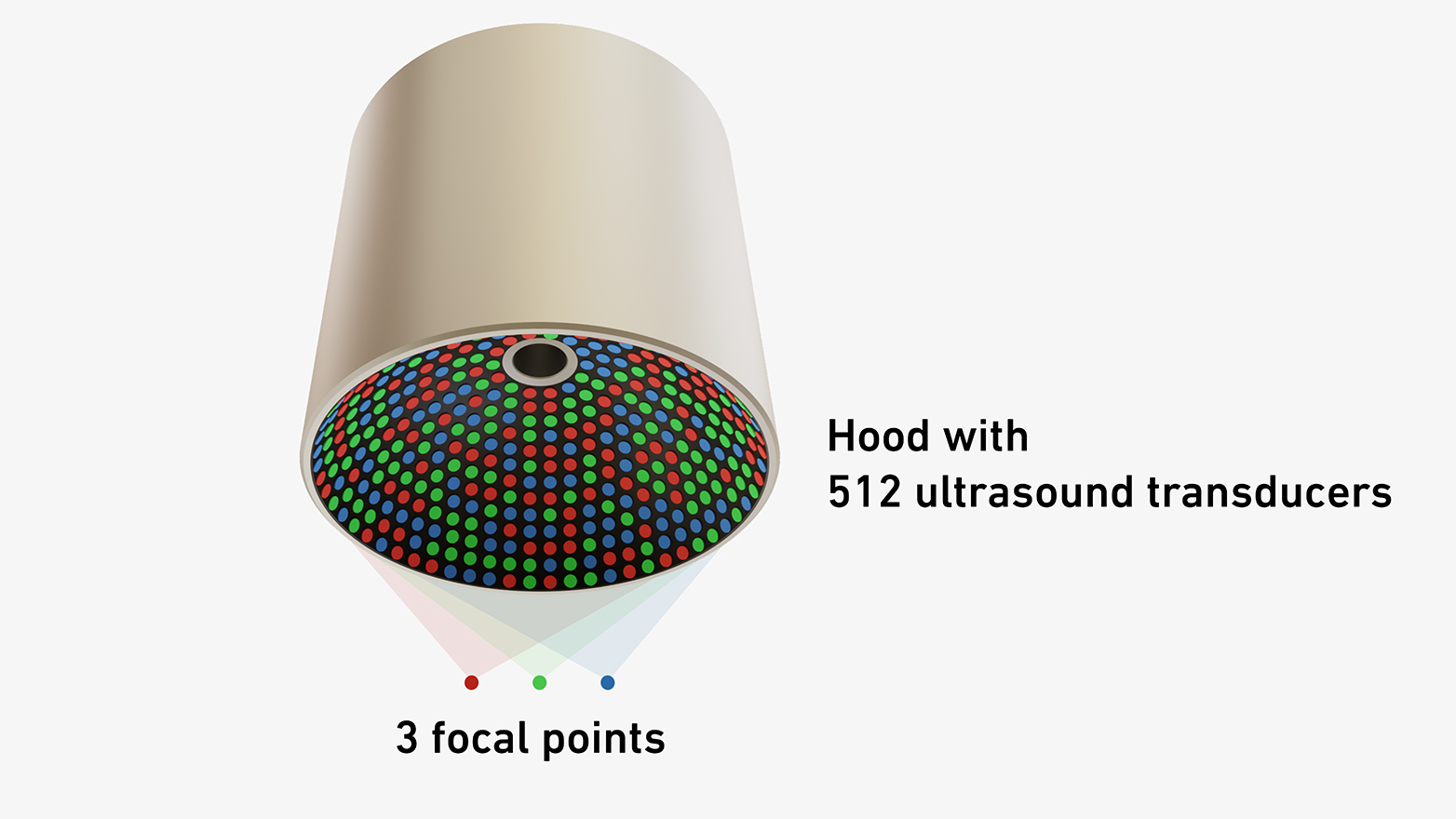
Researchers at the University of Zurich, ETH Zurich and New York University demonstrated an ultrasound system that stimulates several defined brain locations simultaneously. The device uses a hood containing hundreds of transducers whose pulses interfere to create targeted focal points through the skull. In mouse experiments, the team demonstrated stimulation at three and up to five locations.

The system combines stimulation with imaging so researchers can observe which networks respond. Targeting several points together enabled modulation at lower ultrasound intensities than single-spot stimulation in the reported experiments. The device was developed and tested in Zurich, with the New York team contributing neuroscience expertise. Published in Nature Biomedical Engineering, the preclinical work establishes a platform for studying neural networks; testing applications in animal models of brain disease was identified as the next step.

Ultrasound-transducer hood and multiple stimulation targets. Graphic: Estrada et al., Nature Biomedical Engineering 2025, supplied by UZH.

Aeon raises EUR 8.2M seed

Aeon announced EUR 8.2 million in seed financing to expand its preventive-health service across Europe. Concentric led the round, joined by Calm/Storm Ventures, GoHub Ventures, Kadmos Capital, EWOR and investor Daniel Gutenberg.

The Zurich-area company combined whole-body MRI, blood biomarkers, genetic information and physician review in a single assessment. It planned to use the proceeds for expansion in Switzerland, Germany and the UK, development of its AI platform, and partnerships with insurers and employers.

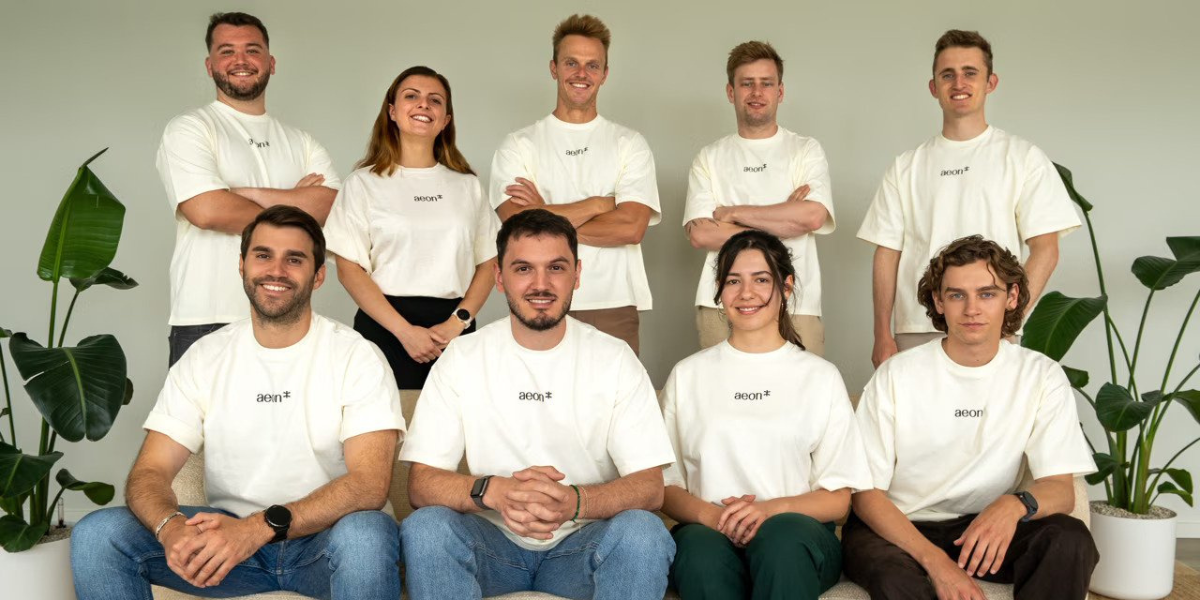
Aeon financing announcement image published by Concentric. Photo credit: Tech.eu, as credited by Concentric.

ZuriMED raises CHF 14.5M Series A

Zurich-based ZuriMED closed a CHF 14.5 million Series A financing led by Chindex Medical, part of Fosun MedTech. Yellowstone Holding and private investors, including orthopaedic surgeons from Switzerland, Germany, France and the United States, also participated. The capital would support development and regulatory registration of a first product for repairing shoulder rotator cuffs.

ZuriMED's Surgical-Fiberlock platform was being developed for minimally invasive soft-tissue repair. The company, an ETH Zurich biomechanics spin-off, planned to introduce products in the United States and Europe. Separately from the equity round, it announced CHF 2.4 million of non-dilutive support through the Innosuisse Swiss Accelerator programme for development and registration of a second device addressing herniated lumbar discs.

The ZuriMED team. Photo: ZuriMED.

Confirm