Menu

News

Research

Tags

Disney's ReActor transfers human movements to differently shaped robots

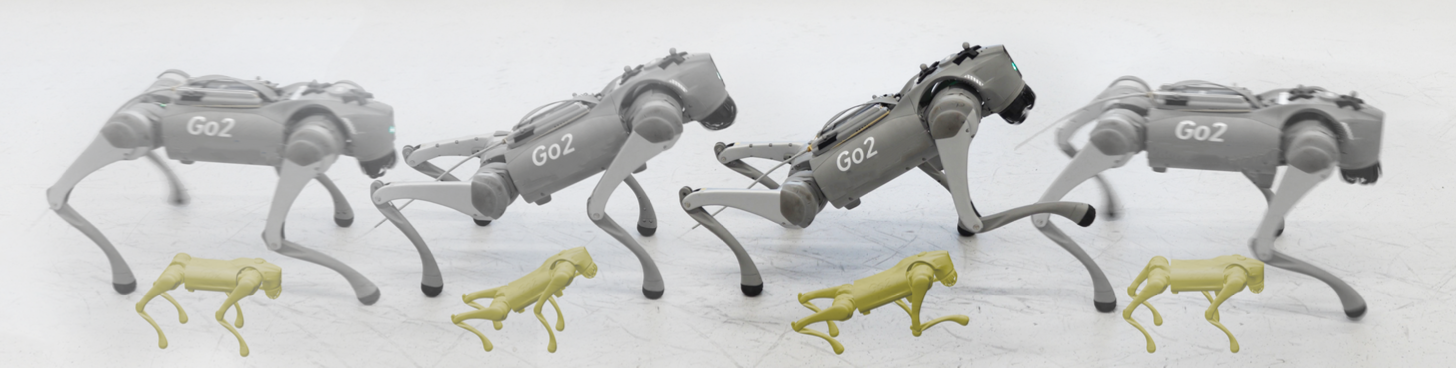
Disney Research has developed ReActor, a method for turning human motion into movements that differently proportioned robots can actually perform. Instead of adapting an animation first and training a robot afterwards, it optimises both the reference movement and the robot's controller together in a physics simulation.

The team demonstrated the method in simulation and on physical hardware, including transferring human movements to a four-legged robot. Using a small set of corresponding body points, it adjusts the motion to the robot's shape while avoiding problems such as sliding feet, self-collisions and impossible poses. The work comes from Disney's Zurich robotics group and was presented at SIGGRAPH 2026.

ReActor motion-retargeting demonstrations. Video: Disney ResearchWatch video

Tiny OLED pixels control the direction and polarisation of light

ETH Zurich researchers fabricated organic light-emitting diode pixels reaching the 100-nanometre size range using thin silicon-nitride stencil membranes. The method sharply reduces the feature sizes obtainable with conventional deposition masks. As a demonstration, the team made an ETH logo from 2,800 OLED pixels, each about 200 nanometres across, within a structure roughly the height of a human cell.

At these dimensions, closely spaced emitters can interact through optical wave effects. The researchers demonstrated control over emission direction and polarisation, extending the work beyond simple pixel miniaturisation. The Nature Photonics study points toward compact displays, sensing and electronically controlled optics. Individually addressing the nanoscale OLEDs remained an engineering objective, so the demonstration represents a fabrication and light-control platform rather than a finished high-resolution display.

Illustration of the nanoscale OLED ETH logo, with an enlarged detail and a cell-size comparison. Image: Amanda Paganini / ETH Zurich.

Magnetic microrobots navigate blood vessels in pigs

ETH Zurich researchers developed a drug-carrying microrobot that combines magnetic steering, X-ray visibility and triggered drug release in a dissolvable capsule. Iron oxide nanoparticles provide magnetic control, while tantalum particles make the capsule visible during navigation. A catheter releases it near the target, and an external electromagnetic system guides it through vessels or cerebrospinal fluid.

The preclinical work combined rolling along vessel walls, pulling with magnetic gradients and using blood flow to steer through junctions. Researchers dissolved a clot in a realistic vessel model, demonstrated all three navigation modes in pigs and guided capsules through a sheep's cerebrospinal fluid. A high-frequency magnetic field heats the particles to dissolve the gel and release the payload. The integrated system, reported in Science, brings delivery, imaging and control together in a platform designed for further clinical development.

Drug-carrying magnetic microrobot on a fingertip. Photo: Luca Donati / ETH Zurich.

Ultrasound stimulates multiple brain sites at once in mice

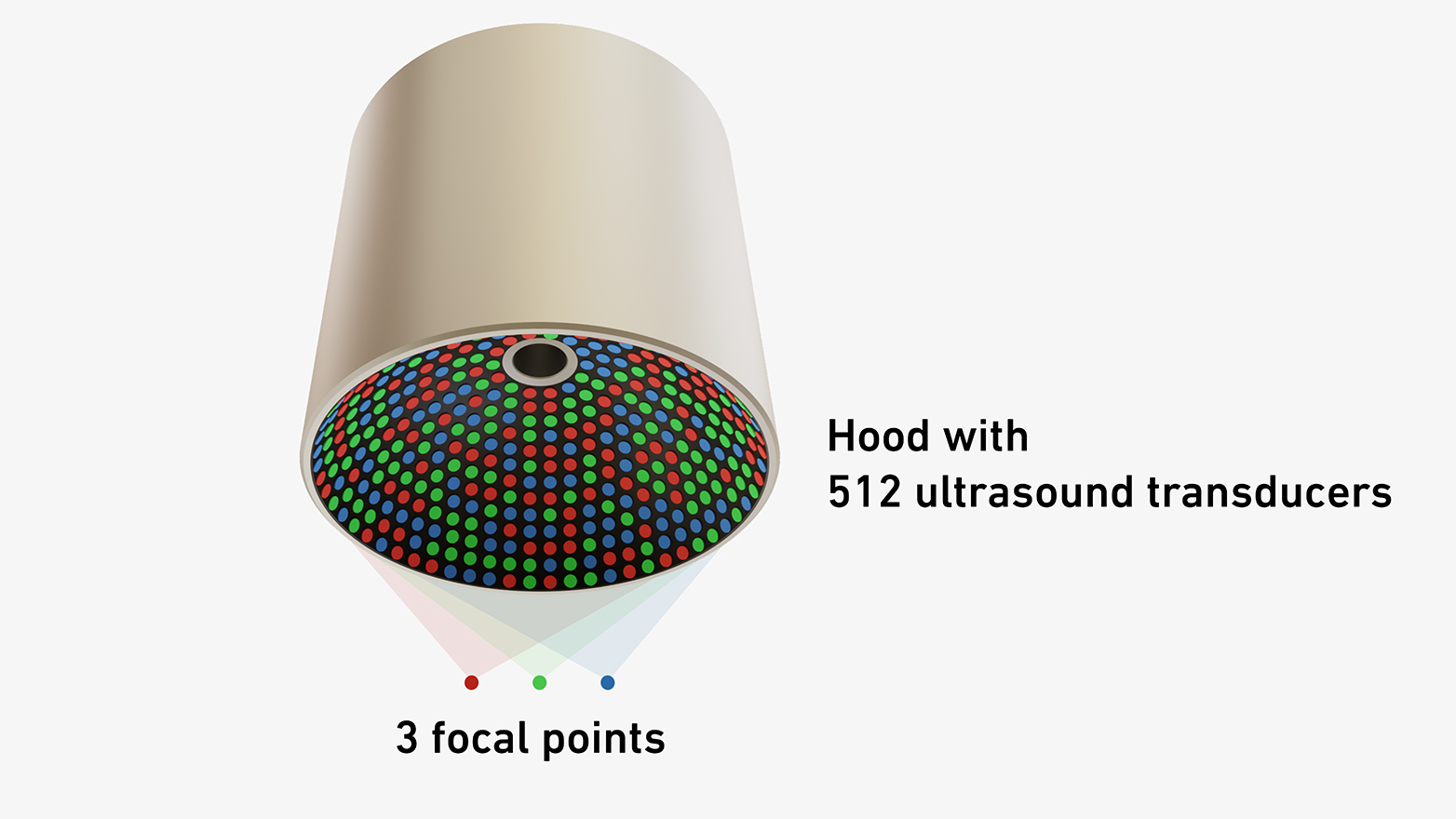
Researchers at the University of Zurich, ETH Zurich and New York University demonstrated an ultrasound system that stimulates several defined brain locations simultaneously. The device uses a hood containing hundreds of transducers whose pulses interfere to create targeted focal points through the skull. In mouse experiments, the team demonstrated stimulation at three and up to five locations.

The system combines stimulation with imaging so researchers can observe which networks respond. Targeting several points together enabled modulation at lower ultrasound intensities than single-spot stimulation in the reported experiments. The device was developed and tested in Zurich, with the New York team contributing neuroscience expertise. Published in Nature Biomedical Engineering, the preclinical work establishes a platform for studying neural networks; testing applications in animal models of brain disease was identified as the next step.

Ultrasound-transducer hood and multiple stimulation targets. Graphic: Estrada et al., Nature Biomedical Engineering 2025, supplied by UZH.

Euclid releases a catalogue of 3.4 billion simulated galaxies

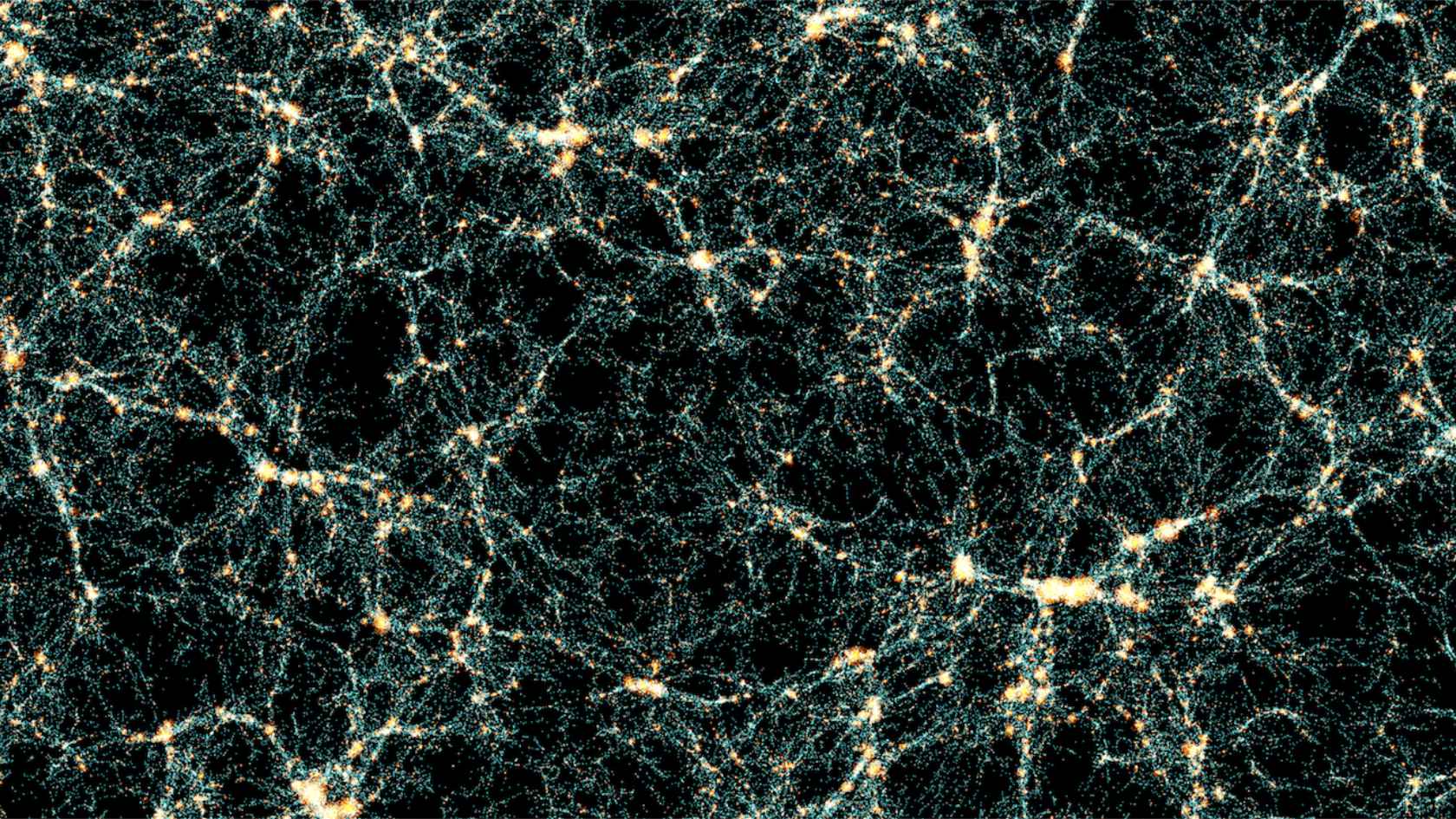
The Euclid Consortium released Flagship 2, a synthetic catalogue containing 3.4 billion galaxies with approximately 400 modelled properties each. The catalogue provides a testbed for interpreting observations from ESA's Euclid space telescope, including galaxy positions, brightness, velocities and shapes. Its underlying simulation used algorithms developed by University of Zurich astrophysicist Joachim Stadel.

The gravitational calculation tracked four trillion particles on CSCS's Piz Daint supercomputer in Lugano in 2019. Researchers subsequently populated the resulting structures with galaxies to reproduce the survey that Euclid would observe. The September 2025 milestone was the catalogue's public release. It gives teams a common reference for developing automated analysis and comparing observations with predictions of the standard cosmological model, including the distribution of dark matter and the effects of cosmic expansion.

Visualisation of the galaxy distribution in the Euclid Flagship simulation catalogue. Image: Jorge Carretero and Pau Tallada, Port d'Informació Científica / Euclid Consortium.

Rotating 3D printer combines two metals in a continuous process

An ETH Zurich student team built and tested RAPTURE, a rotary laser powder-bed-fusion machine that can deposit and melt two different metals during the same operation. Developed in the Advanced Manufacturing Lab over nine months, the prototype coordinates powder supply, laser scanning and protective gas flow in a continuous process suited to roughly cylindrical components.

ETH reported that the approach reduced manufacturing time for cylindrical parts by more than two thirds. Depositing powder only where needed also reduces the mixed-material waste created by conventional multi-metal processes. The prototype produced components up to 20 centimetres in diameter, including a 75-millimetre turbine stator. Applications under investigation include rocket nozzles combining heat-conducting and heat-resistant materials. ETH filed a patent application, while higher speeds and larger component sizes remained development goals.

RAPTURE's rotary multi-material printing process. Image: Michael Tucker / ETH Zurich.

Stacked image sensors capture red, green and blue at each pixel

ETH Zurich and Empa researchers built two working thin-film image sensors that stack colour-sensitive perovskite layers vertically. By changing the material's chemical composition, each layer absorbs a selected part of the spectrum while passing other wavelengths onward. The arrangement lets each pixel measure red, green and blue without the side-by-side colour filters used in conventional silicon sensors.

The Nature study advanced the team's earlier single-pixel demonstrations into functioning sensor prototypes with different readout architectures. The approach promises better use of incoming light, more accurate colour reproduction and fewer demosaicing artefacts. Its theoretical threefold advantage in light collection and spatial resolution is a consequence of the stacked design. The prototypes still had pixels 0.5 to 1 millimetre across, leaving substantial lateral miniaturisation and readout development before consumer-camera applications.

One of the thin-film perovskite sensor prototypes. Image: Empa / ETH Zurich.

Legged robots reach specified poses at set times

Disney Research Studios and ETH Zurich presented RobotKeyframing, a control framework that lets legged robots follow sequences of poses specified at particular times. Instead of prescribing every movement, an operator can provide partial or complete target poses, with the learned controller generating the locomotion needed to reach them. The work was presented at the Conference on Robot Learning.

The system combines a transformer encoder, which accepts a variable number of future targets, with reinforcement learning using multiple critics to handle both continuous movement rewards and sparse target-reaching rewards. In simulation and hardware experiments, robots followed the requested keyframe sequences at the specified times. The researchers reported that anticipating upcoming targets improved performance, while the multi-critic approach reduced the hyperparameter tuning needed compared with a single-critic alternative.

RobotKeyframing research demonstration. Image: Disney Research Studios and ETH Zurich.

Artificial muscles let a robotic leg jump on uneven ground

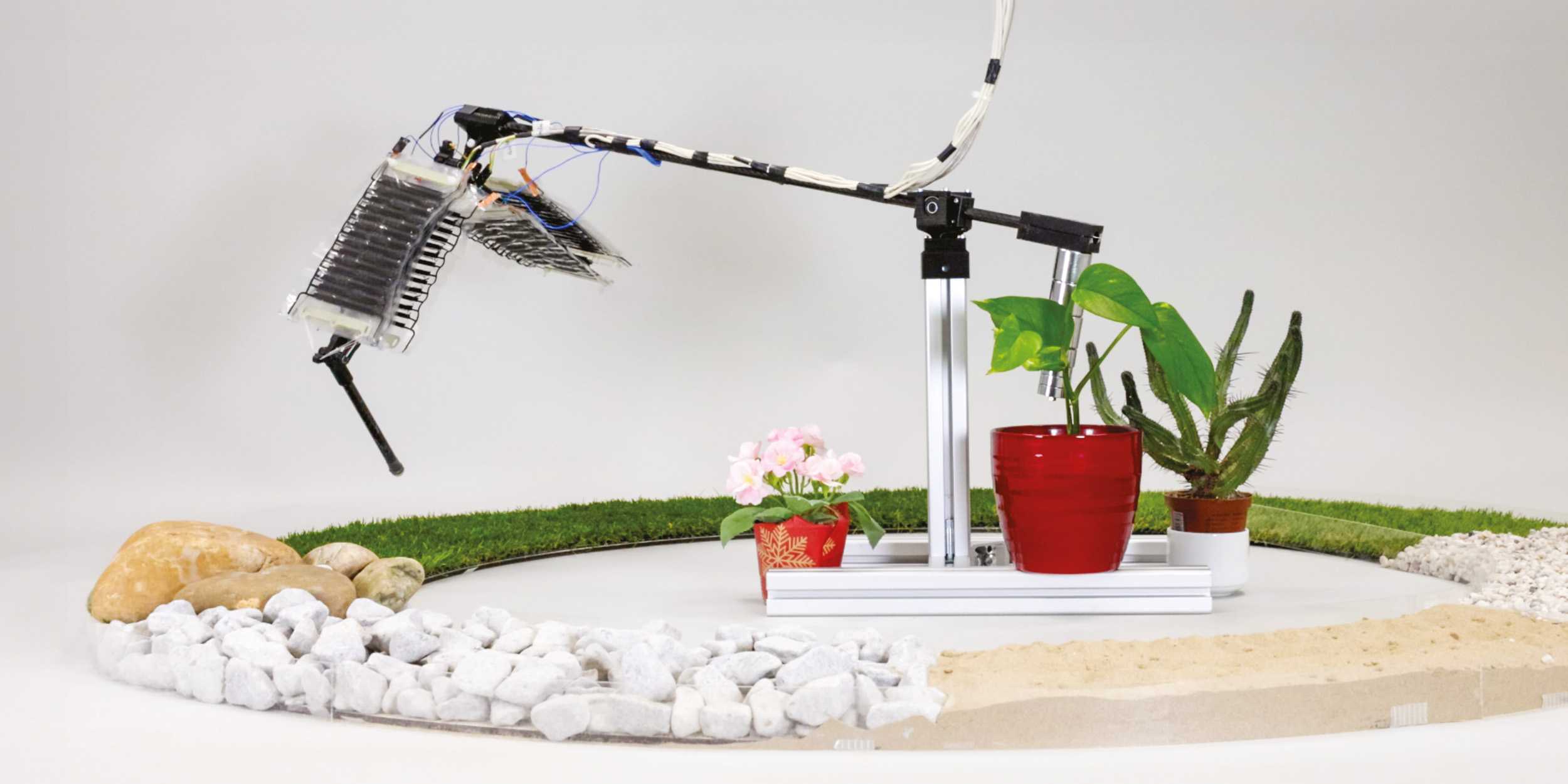
Researchers at ETH Zurich and the Max Planck Institute for Intelligent Systems built a robotic leg powered by electrohydraulic artificial muscles. Paired oil-filled actuators contract when voltage is applied, pulling on tendons to bend or extend the leg. The team demonstrated jumping and adaptation to uneven terrain, and reported the design in Nature Communications.

Unlike a rigid motor-driven joint that depends on continuous sensing and control, the compliant muscle arrangement adjusts mechanically as it contacts different surfaces. In comparisons involving sustained postures, it also avoided the heat losses observed in the motor-driven reference leg. The prototype remained attached to a supporting rod and moved in circles, rather than walking freely as a complete robot. The result demonstrated an alternative actuation system for agile, adaptive machines, with untethered locomotion left for future development.

Artificial-muscle leg on its circular test course. Image: Thomas Buchner / ETH Zurich and Toshihiko Fukushima / Max Planck Institute for Intelligent Systems.

Zurich-developed algorithms become NIST post-quantum standards

NIST published its first three final post-quantum cryptography standards, including two developed by IBM Research scientists in Zurich with external collaborators. ML-KEM, derived from CRYSTALS-Kyber, provides a mechanism for establishing shared secrets. ML-DSA, derived from CRYSTALS-Dilithium, provides digital signatures. Their standardisation turned years of cryptographic research and public evaluation into specifications ready for deployment.

The standards address the risk that future quantum computers could break widely used public-key cryptography. They run on conventional computers and give software developers concrete specifications for migrating communication and authentication systems. NIST's third standard, SLH-DSA, is based on hash-based signatures and was co-developed by a researcher who subsequently joined IBM. The publication provides a common foundation for replacing vulnerable cryptographic components across enterprise and public infrastructure.

Illustration accompanying IBM's post-quantum standards announcement. Image: IBM Research.

Docling extracts text and tables from PDFs as open-source software

IBM Research Zurich's AI for knowledge team made Docling publicly available as an open-source document conversion toolkit. The first public release, version 0.1.1, appeared on July 15, followed by version 1.0 three days later. The software combines specialised AI models for document layout and table structure with a pipeline that extracts useful information from PDFs.

Released under the permissive MIT licence, Docling was designed to run on ordinary computing hardware and to support extensions with additional models and processing features. Its structured document outputs provide a foundation for search, retrieval-augmented generation and AI training workflows. The pipeline moves beyond extracting isolated text by preserving document organisation and tables, making information in complex reports and other PDFs more accessible to downstream software.

Docling document-conversion illustration. Image: IBM Research.

Event cameras and AI speed up obstacle detection

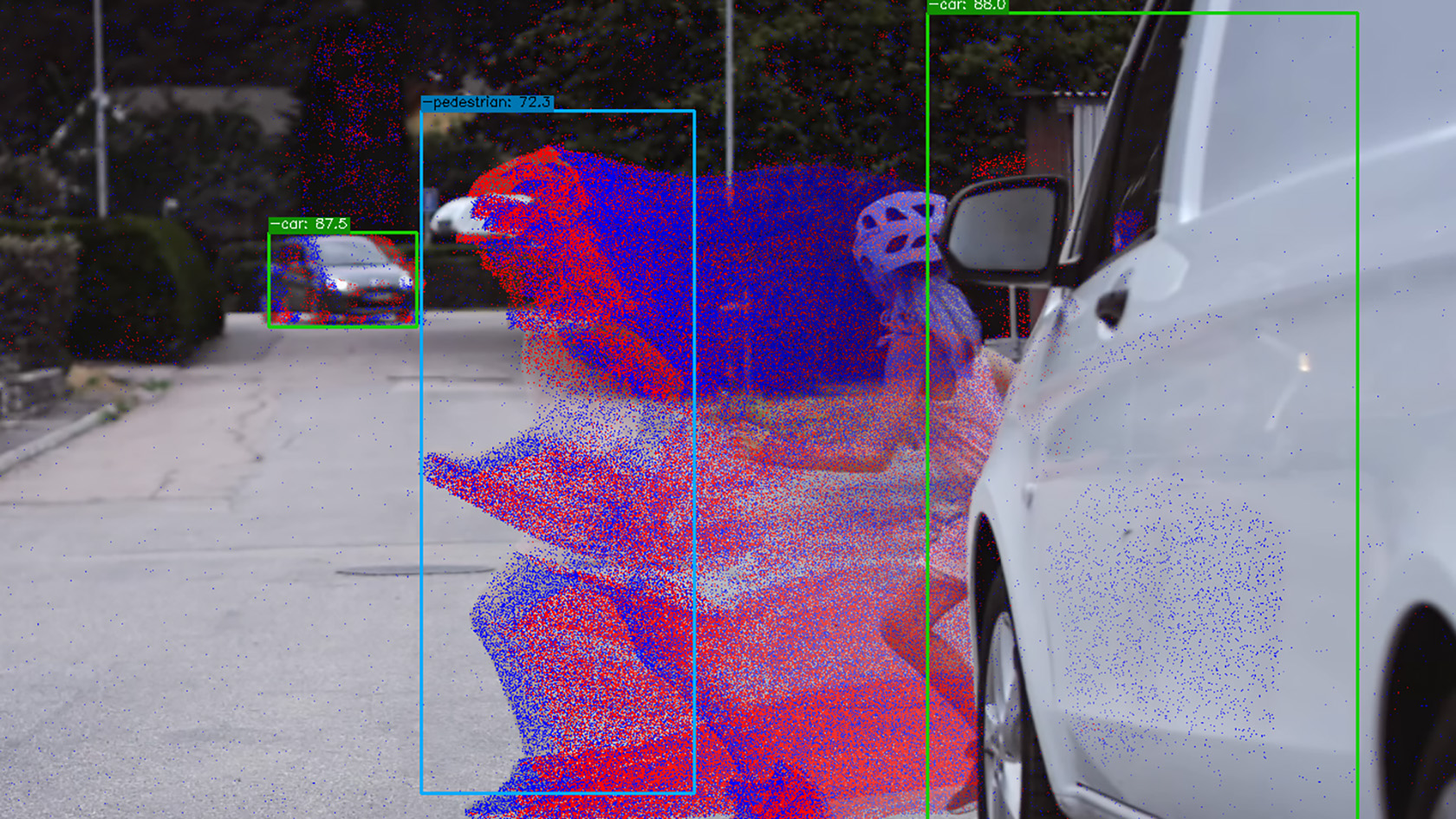
University of Zurich researchers Daniel Gehrig and Davide Scaramuzza developed a hybrid vision system that combines conventional images with the rapid brightness-change signals produced by an event camera. A convolutional neural network processes the ordinary images, while an asynchronous graph neural network analyses events to anticipate objects appearing between frames. The system was presented in a Nature study.

In the reported comparisons, the hybrid detector reduced detection latency by a factor of 100 without sacrificing accuracy. Its conventional camera operated at 20 frames per second; the combined system offered detection timing comparable to a 5,000-frame-per-second camera at the bandwidth of a conventional 50-frame-per-second camera. The research addresses the delay between capturing a scene and detecting an obstacle, a critical perception bottleneck in driver assistance and autonomous vehicles.

Conventional image and event-camera signals from a running pedestrian. Image: Robotics and Perception Group / UZH.

Laboratory heat trap reaches 1,050 degrees Celsius under concentrated light

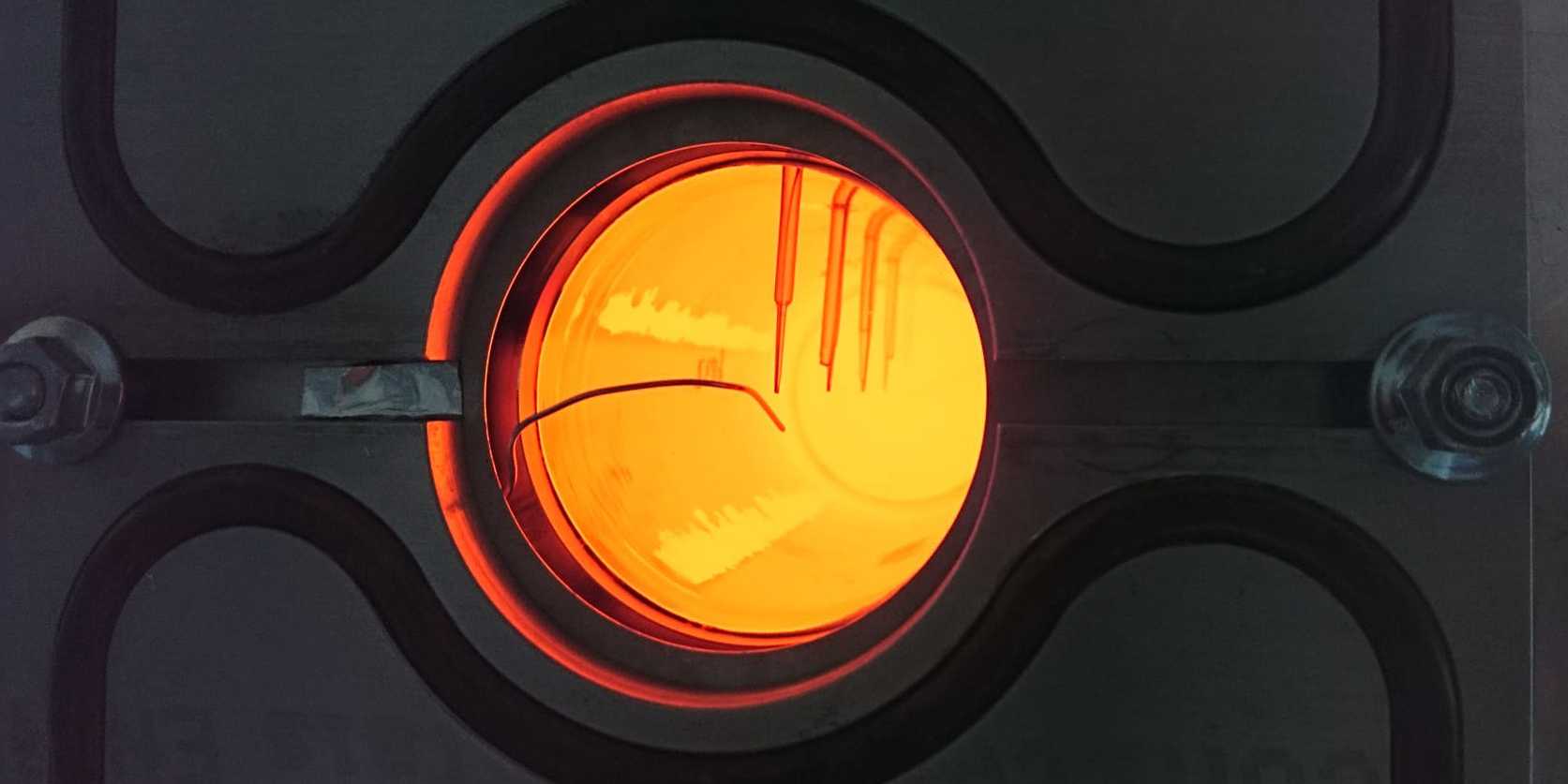
ETH Zurich researchers demonstrated a thermal trap that reached 1,050 degrees Celsius under concentrated artificial illumination. The laboratory device combined a quartz rod with a ceramic absorber: light passed through the quartz to heat the absorber, while the arrangement reduced radiative heat losses. The experiment used a rod 7.5 centimetres wide and 30 centimetres long, illuminated at an intensity equivalent to 135 suns.

The work targets process heat for industries such as cement and steel, where high temperatures are usually supplied by combustion. Published in Device, it extended thermal trapping well beyond the temperatures previously demonstrated with that approach. This was a laboratory heat-generation experiment, not an operating industrial furnace; technical and economic assessment of a scaled system remained outstanding.

Quartz thermal trap during the high-temperature experiment. Photo: Emiliano Casati / ETH Zurich.

Chip-based trap controls a single ion's quantum state

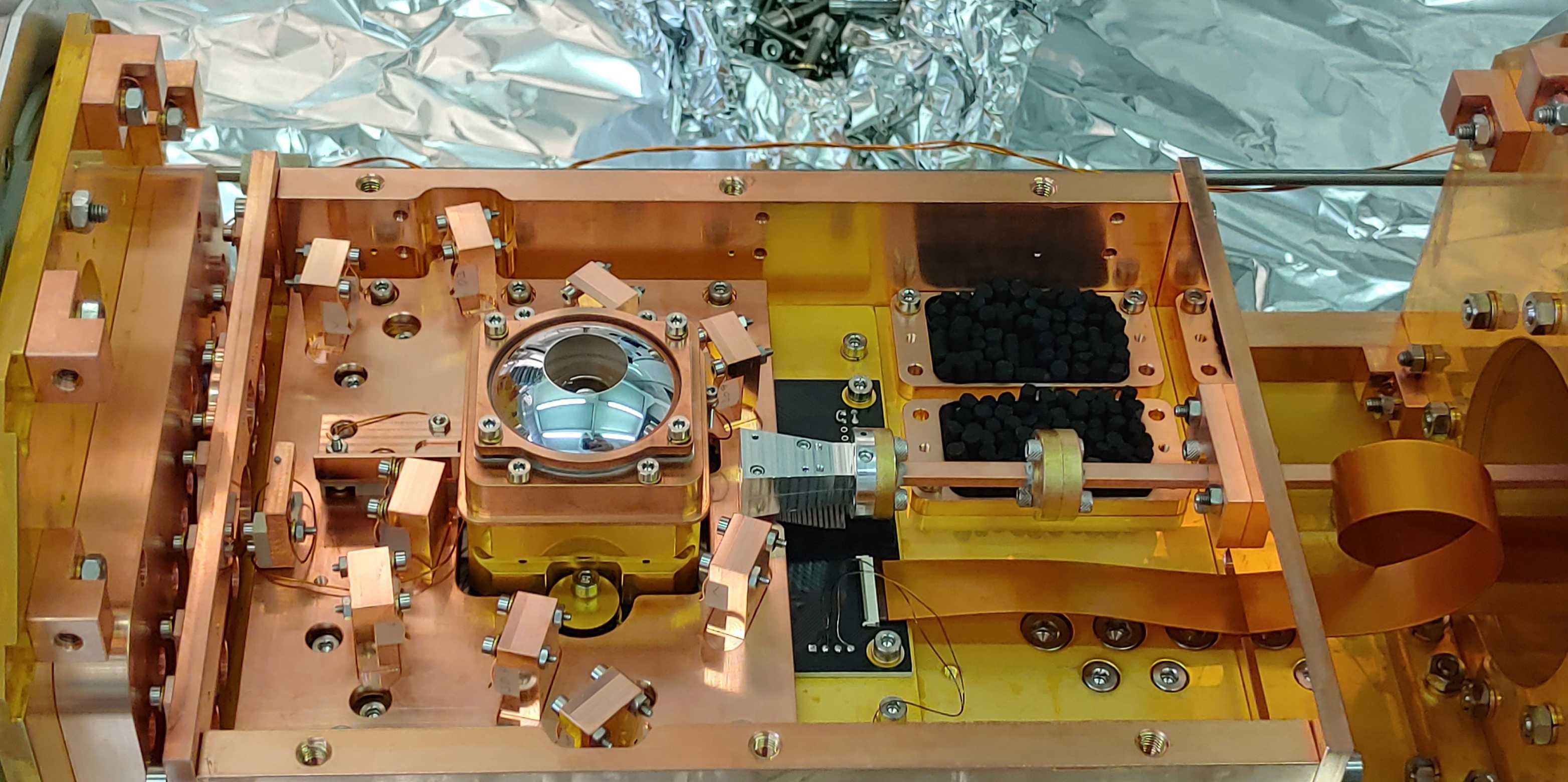
ETH Zurich researchers demonstrated a microfabricated ion trap that uses static electric and magnetic fields instead of the oscillating fields used in conventional trapped-ion quantum computers. Jonathan Home's team combined an electrode chip with a three-tesla superconducting magnet and demonstrated coherent control of a trapped ion's internal and motional quantum states.

The experiment also moved a single ion freely across a two-dimensional plane by adjusting the electrode voltages. This offers a different approach to connecting trapping sites without the fixed transport channels of conventional designs. The demonstrated device was a single-ion research platform: operations between ions in neighbouring traps remained a next step. The results were reported in Nature, with potential applications in quantum computing and scanning probes of surface fields.

Experimental apparatus for the chip-based Penning trap. Photo: Pavel Hrmo / ETH Zurich.

Autonomous excavator builds a six-metre-high dry-stone wall

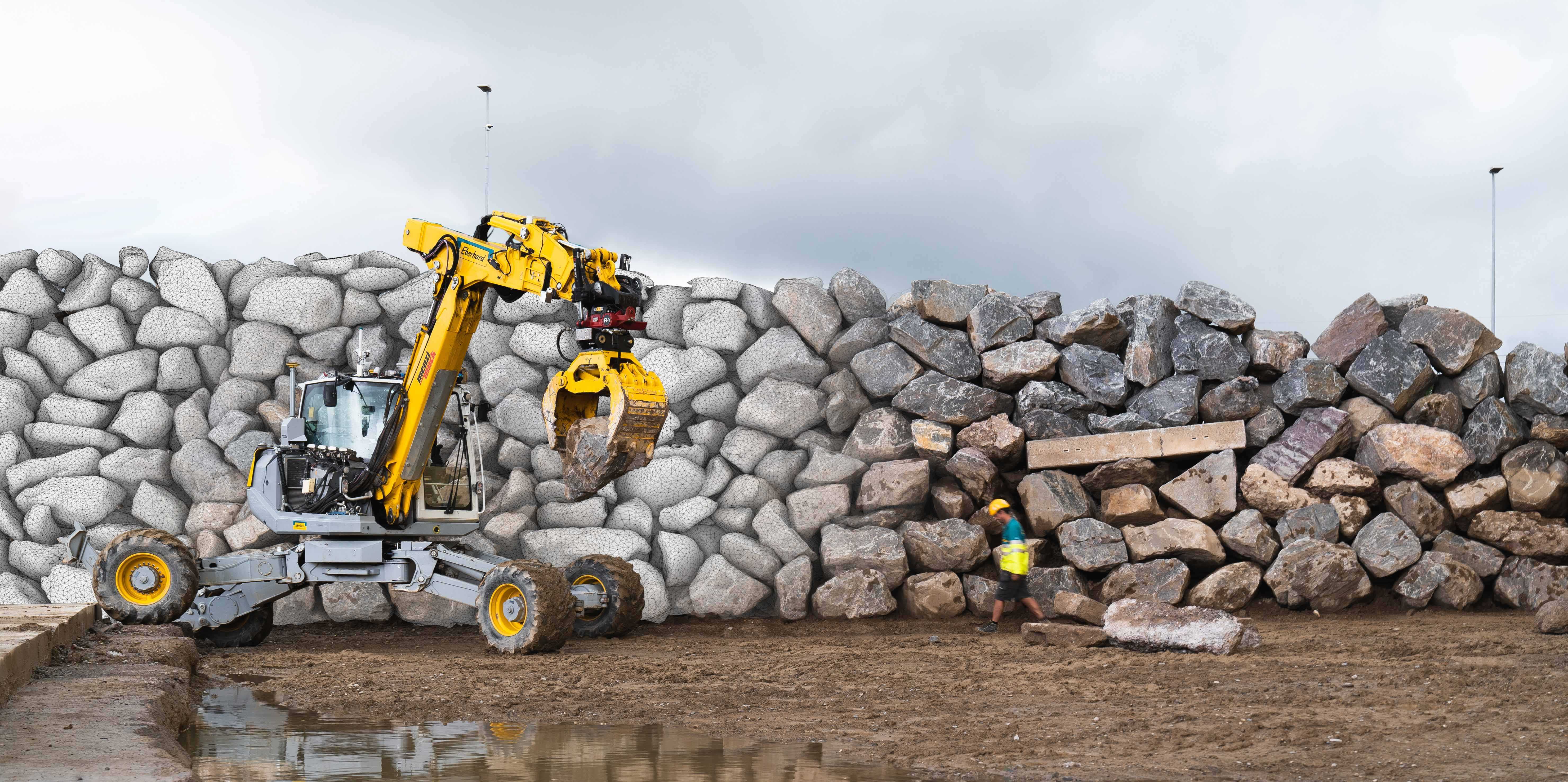
ETH Zurich researchers demonstrated an autonomous excavator constructing a dry-stone wall six metres high and 65 metres long at the Circularity Park in Oberglatt. The machine, called HEAP, used sensors to map its surroundings, scan individual stones and determine how they could fit into the structure. The field demonstration brought robotic construction research into a working material-reuse setting operated by Eberhard.

The twelve-tonne excavator estimated properties including each stone's shape and weight, then selected placements and positioned the irregular blocks without mortar. Its planning system adapted to the available material instead of requiring identical prefabricated units. The work showed how autonomous machinery could use locally available stones and demolition material in substantial structures. The field demonstration integrated sensing, planning and manipulation on a real construction site, handling the variation in shape and size of reclaimed material.

The HEAP excavator beside the dry-stone wall in Oberglatt. Photo: ETH Zurich / Marc Schneider.

3D-printed robotic hand combines bones, ligaments and tendons

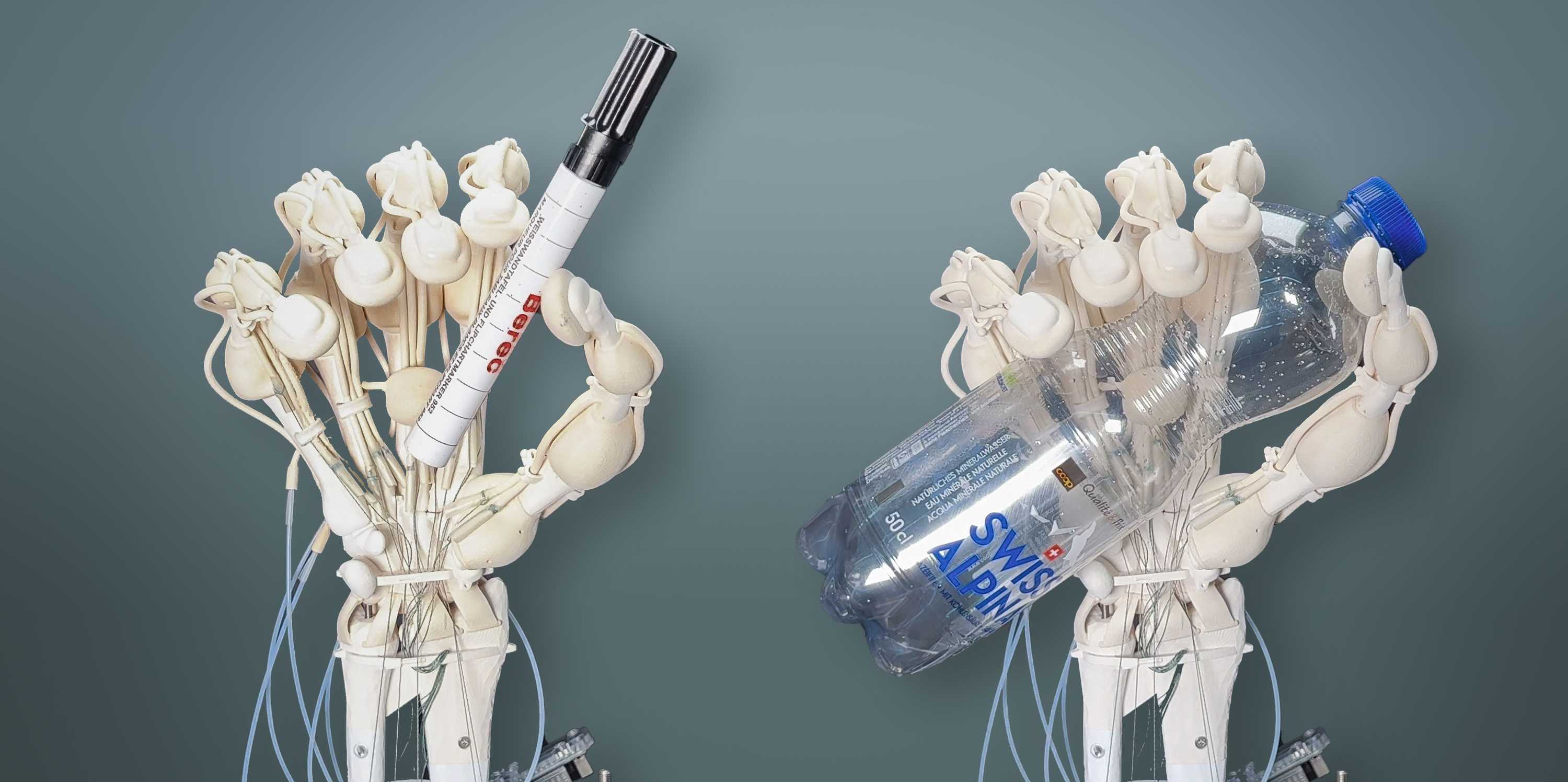
ETH Zurich researchers and US company Inkbit demonstrated a 3D-printing process that combines rigid and elastic materials in complex robotic structures. One example was a hand containing artificial bones, ligaments and tendons printed together rather than assembled from separately manufactured components. The process accommodated slow-curing polymers whose elastic properties are useful for soft robotic mechanisms.

Vision-controlled jetting scans each deposited layer and uses the measurements to adjust the next layer, compensating for irregularities without scraping the surface flat. That change allows materials that are unsuitable for conventional fast-curing inkjet processes to be incorporated. Inkbit developed the printing technology, while ETH's team developed robotic applications and helped optimise the approach. The Nature publication demonstrated how the manufacturing method could produce functional robotic structures with different mechanical properties in a single build.

Printed robotic hands combining rigid and elastic structures. Photo: ETH Zurich / Thomas Buchner.

Swift autonomous drone beats human racing champions

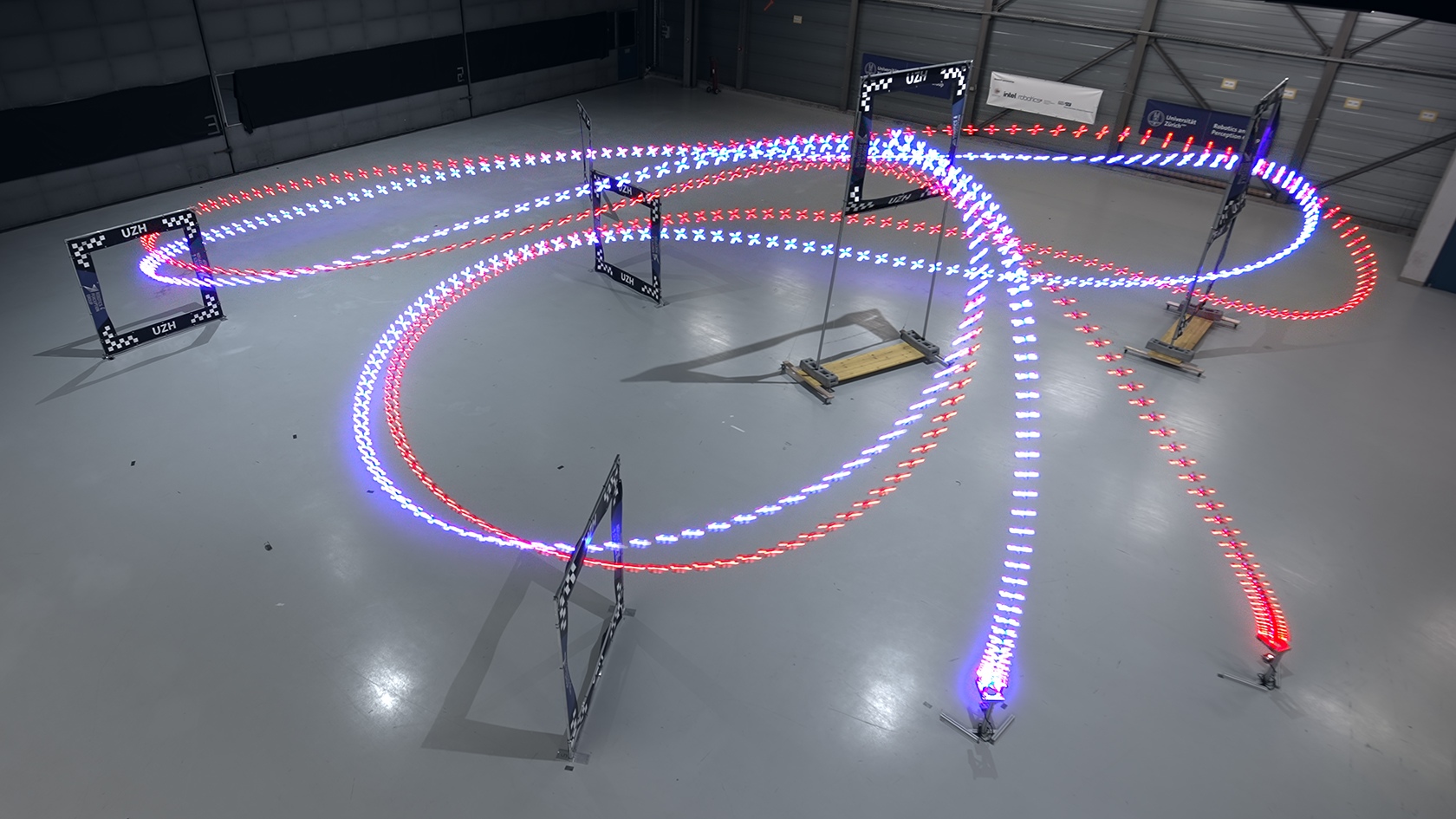
University of Zurich researchers reported that their Swift autonomous drone-racing system defeated world-champion human pilots in head-to-head races. The competition used physical quadcopters on a course at an airfield in Duebendorf. Swift combined an onboard camera and inertial measurements with a control policy trained through reinforcement learning, using simulation and real flight data to prepare for the course.

The system won multiple races against three champions and recorded the fastest lap, half a second ahead of the best human time. The races took place in June 2022; the Nature publication and public announcement followed in August 2023. The result demonstrated high-speed perception and control in a structured physical environment. The researchers also reported limitations when conditions differed from training, including changes in lighting.

Drone-racing trajectories from the Swift experiments; the autonomous system's fastest lap is shown in blue. Image: UZH / Leonard Bauersfeld.

64-core analog chip runs neural networks using memory cells

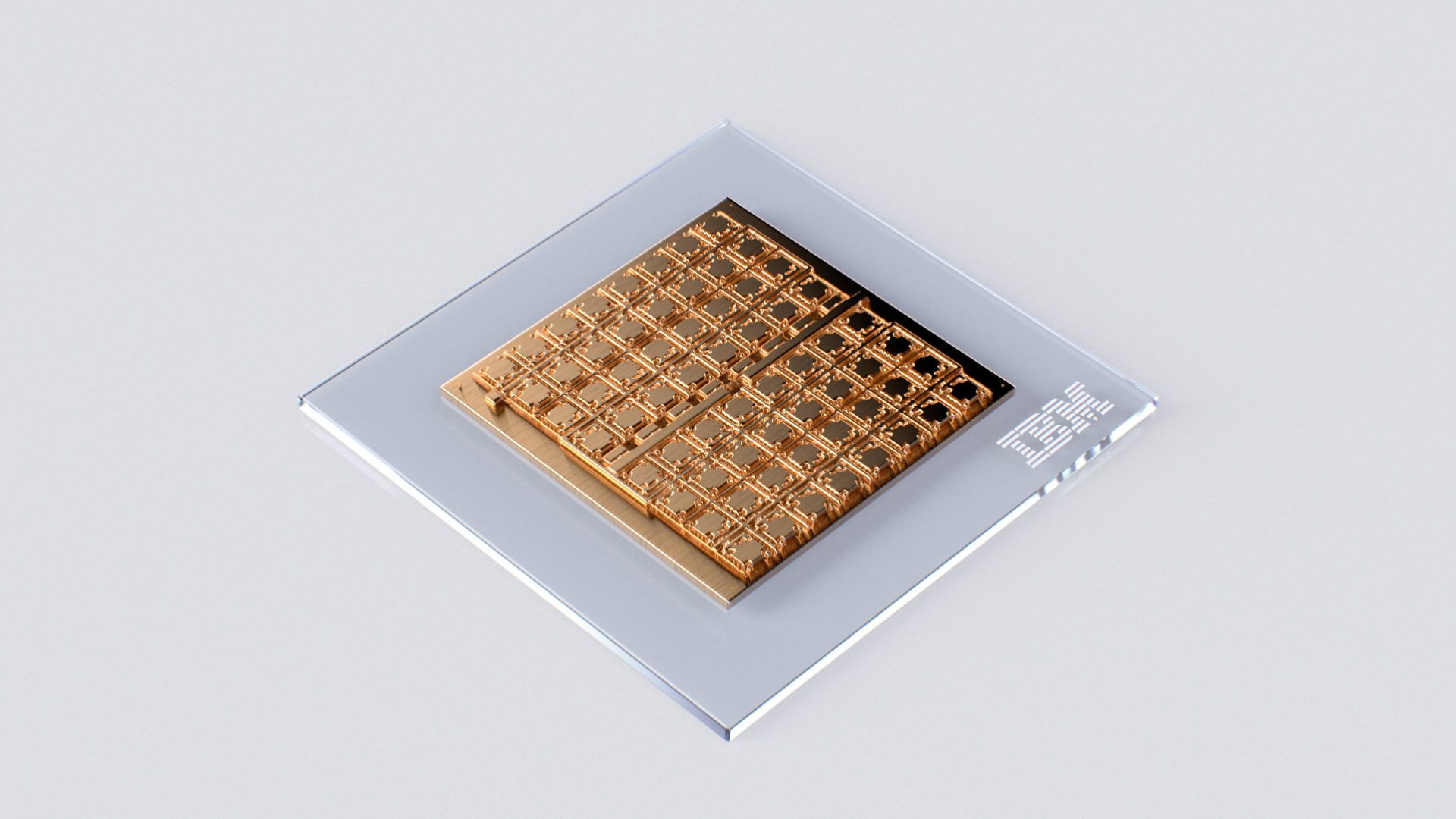
IBM researchers presented a 64-core mixed-signal chip that performs neural-network calculations using phase-change memory. Instead of repeatedly transferring stored weights to a separate arithmetic unit, the chip represents those weights through electrical conductance and carries out matrix operations within memory arrays. The design combines this analog computation with digital functions for processing activations and moving information between cores.

The international team included IBM Research Zurich's Manuel Le Gallo and colleagues working on in-memory computing. Manufactured in a 14-nanometre process, the research chip demonstrated inference on networks including image-recognition and recurrent models with accuracy approaching software implementations. Published in Nature Electronics, the work addressed how analog computing could support more complete neural-network workloads rather than isolated operations. The research processor brought analog memory arrays and their supporting digital circuitry together on one chip.

Illustration accompanying IBM's analog AI chip research. Image: IBM Research.

Inception attack exposes protected data on affected AMD processors

ETH Zurich researchers disclosed Inception, a speculative-execution attack that can influence a processor's future predictions and expose protected information on affected AMD processors. Daniel Trujillo, Johannes Wikner and Kaveh Razavi investigated how transient execution can train prediction mechanisms, allowing an attacker to steer later speculative behaviour even when existing defences are enabled. The work extended the laboratory's investigation of weaknesses in modern processor prediction systems.

The researchers informed AMD in February 2023 before publishing their findings in August alongside mitigation information. The vulnerability was assigned CVE-2023-20569 and presented at USENIX Security. Unlike a conventional application bug, the weakness involves interactions between processor hardware and the software protections built around it. The disclosure identified a new route to privileged-data leakage and prompted changes to the defences for affected systems.

Hardware used to investigate the Inception vulnerability. Photo: Kaveh Razavi / ETH Zurich.

Quantum circuits pass a loophole-free test of entanglement

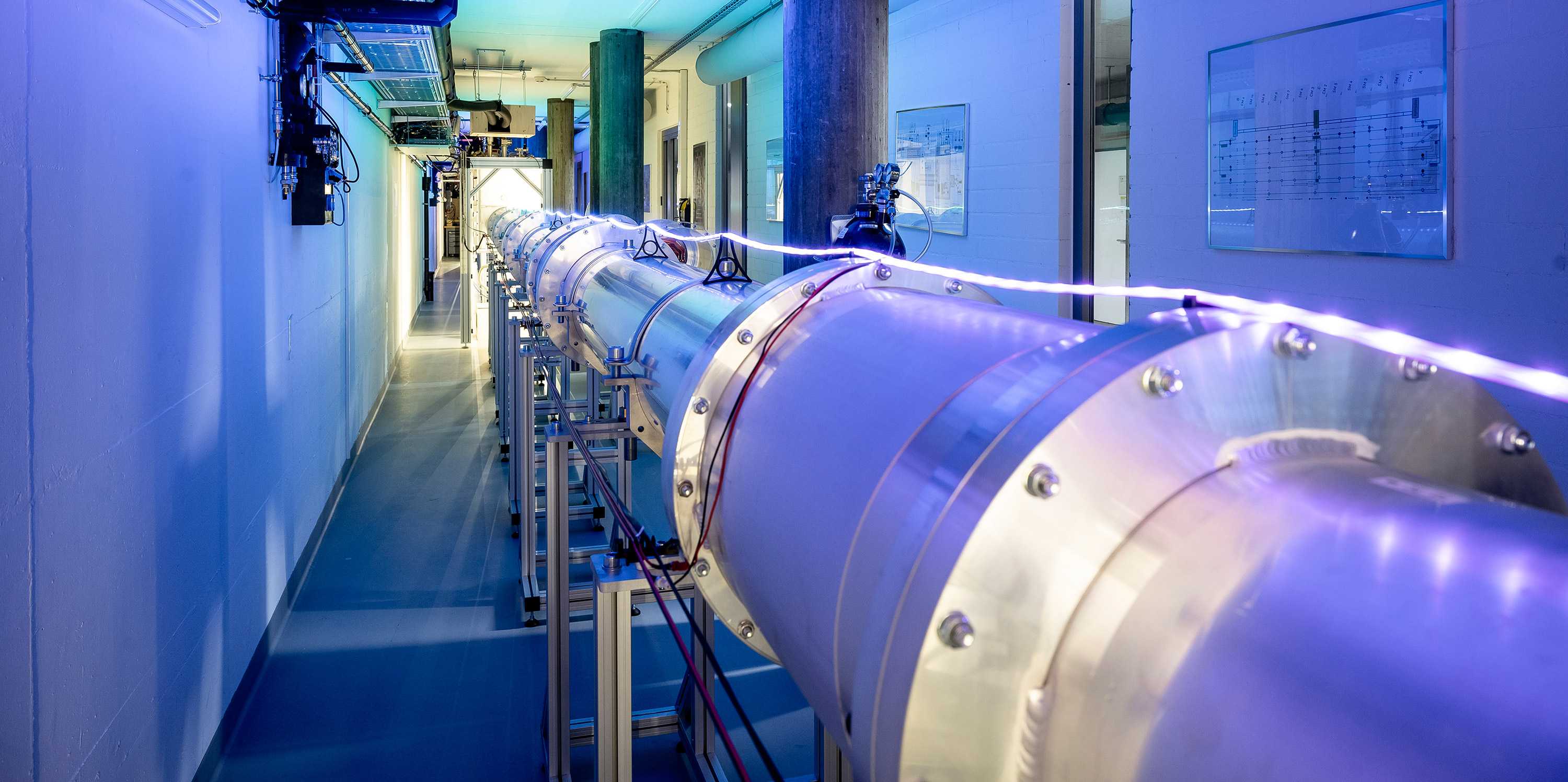
ETH Zurich researchers demonstrated a loophole-free Bell test using superconducting circuits connected through a roughly 30-metre cryogenic link. The experiment tested correlations between entangled quantum systems while arranging the measurements so that a signal travelling at the speed of light could not pass between them in time to explain the result. Andreas Wallraff's group carried out the work on ETH's Zurich campus.

More than a million measurements violated Bell's inequality, extending this form of test to superconducting circuits used in quantum-computing hardware. The apparatus required a long vacuum and cooling system linking the two experimental stations while preserving fragile quantum states. Beyond testing quantum theory, the work demonstrated techniques relevant to connecting superconducting quantum devices over distance. The measured correlations provided a stringent test of quantum behaviour in these engineered electrical circuits.

The long cryogenic connection used for ETH's superconducting-circuit experiment. Photo: ETH Zurich / Daniel Winkler.
20 of 24

Confirm