Apple reportedly leases 9,500 square metres in Zurich Altstetten
Apple is reportedly taking around 9,500 square metres of office space in Altstetten, with capacity for an estimated 500 to 700 desks.
Apple is reportedly taking around 9,500 square metres of office space in Altstetten, with capacity for an estimated 500 to 700 desks.
Zurich startup Turiq combines market news, internal research and portfolio data to help financial institutions prepare investment decisions and client updates.

Zurich consumer-software company TenThirty reports USD 6.5 million in annual recurring revenue, achieved in under eleven months with a six-person team.
An EU disclosure reveals Apple's deal for selected assets and employees of Samplab, the ETH-founded developer of AI audio-editing software.
Zurich-based Klarent raised USD 8 million in seed funding to expand into the US, grow its engineering team and develop its web and mobile testing platform. Founded by former Google engineers Asheem Panakkat and Momchil Ivanov, the company names JD Sports, NZZ and Sixt among its customers.
Its agents use language models to write and adapt deterministic test code, rather than relying on an AI model to execute each test. Klarent combines this automation with human review of results, aiming to reduce the work of maintaining tests as applications change.

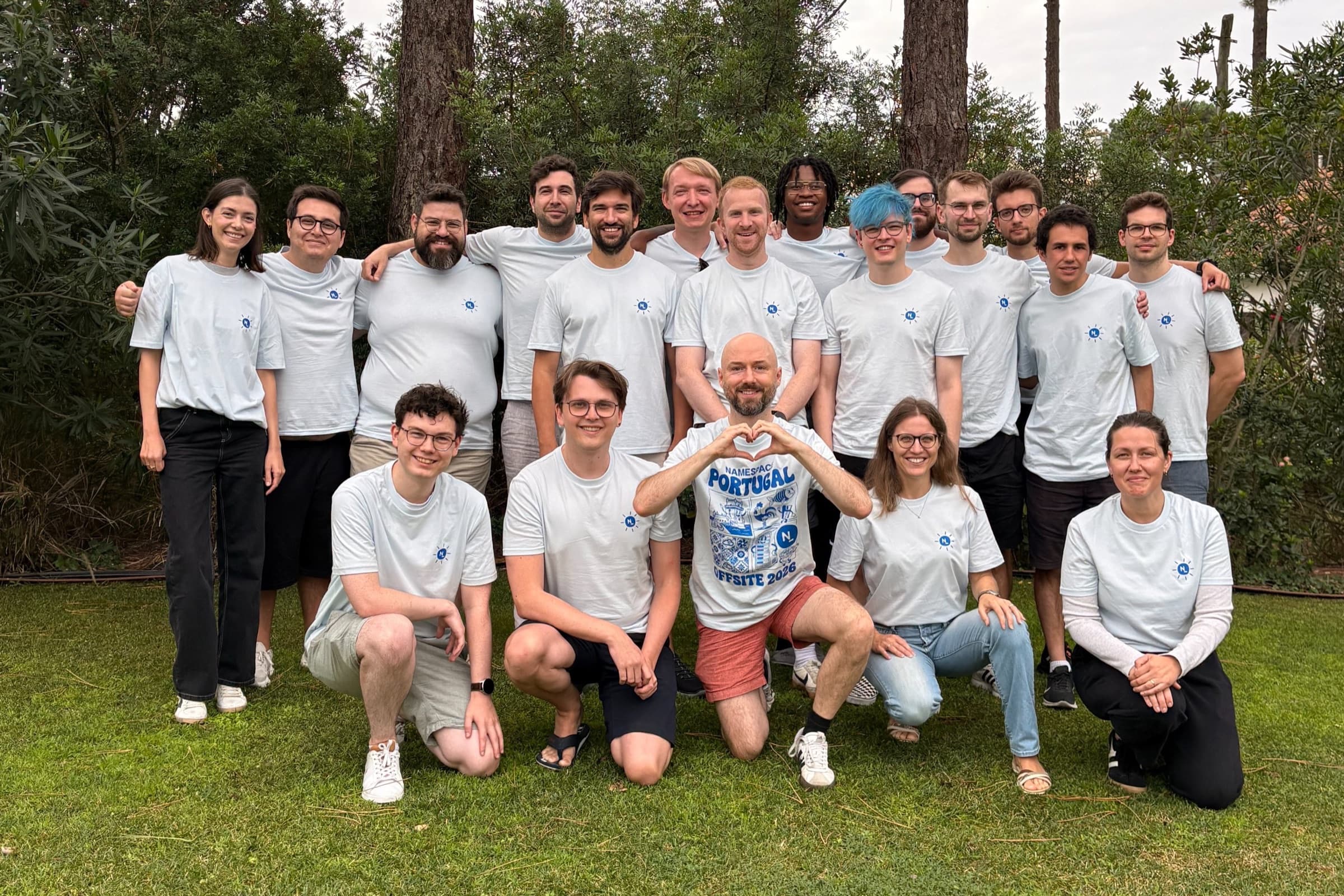
Namespace has raised USD 42M to expand its infrastructure for building and testing software. The platform runs development environments, GitHub Actions and build workloads on its own server racks, with support for Linux, Windows and macOS.
The funding will support product development and additional data-centre capacity, including a larger fleet of Mac hardware for iOS and macOS builds. Namespace reports more than 1,000 customers and eightfold revenue growth over the past year. The round brings its total funding to USD 65M, seven months after its Series A.
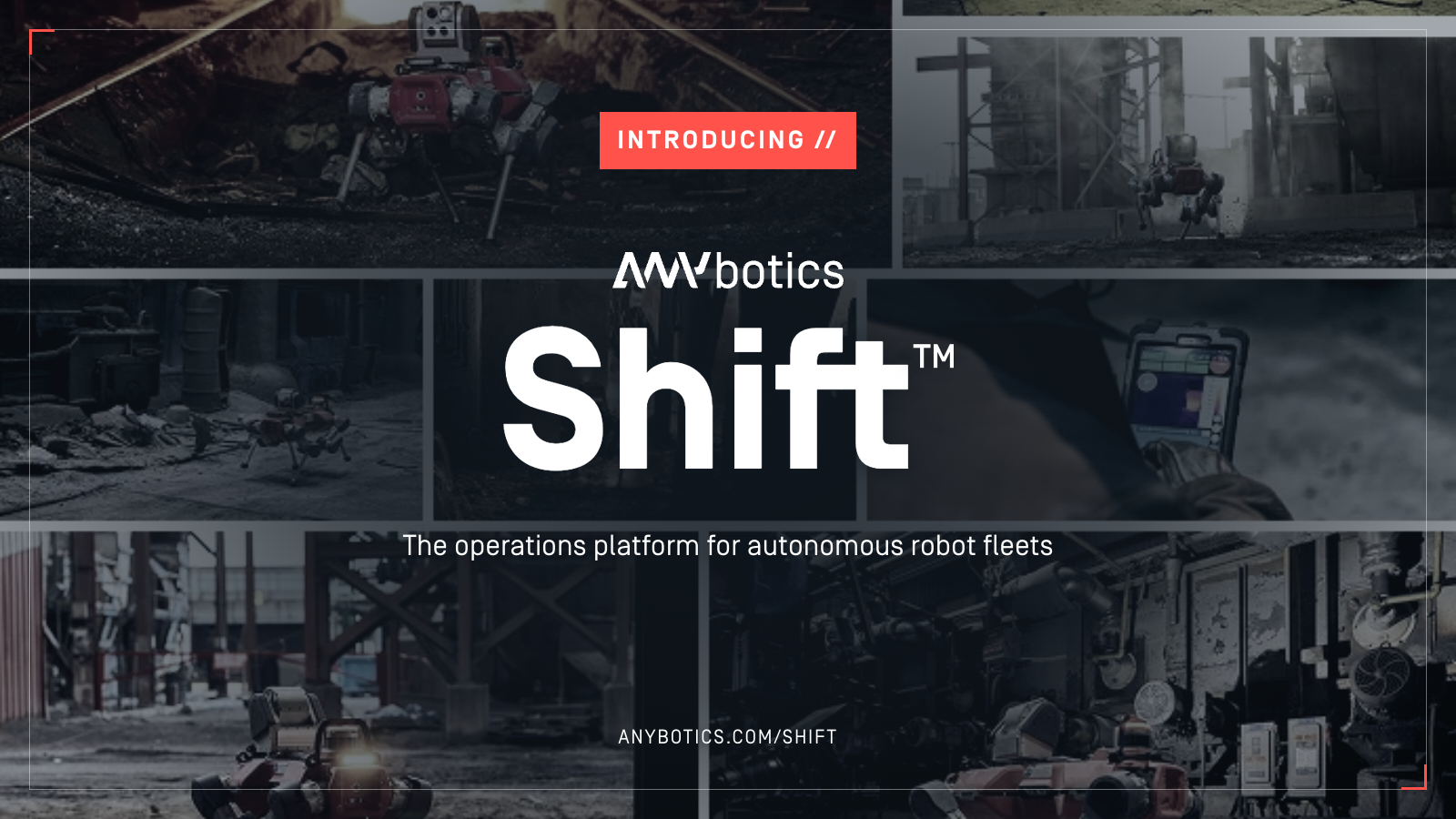
ANYbotics has announced Shift, a software platform connecting robot inspection missions, equipment records and maintenance work orders. The Zurich company's expanded successor to Data Navigator combines plant mapping, fleet scheduling and inspection analysis, so readings remain linked to the equipment being monitored.
Teams can schedule multi-robot missions and examine thermal, acoustic, visual and gas readings. Its API works in both directions: maintenance systems can request inspections, while confirmed findings can become work orders in tools such as SAP and IBM Maximo. Existing customers are due to migrate through a platform update; third-party robot fleet control is planned for a later release.
IBM has released Qiskit Fermions, an open-source toolkit for expressing quantum simulations of electrons and other fermionic particles before translating them into qubit circuits. Developed with IBM Research Zurich, it lets researchers preserve the structure of chemistry and materials problems further into compilation, where that information can help produce shallower circuits.
The package combines operator representations, fermionic gates and configurable mappings with the Qiskit compiler. IBM's worked example keeps the two-qubit depth of a Fermi-Hubbard time-evolution step constant at 12 as the model grows from four to 100 sites, compared with 407 at 100 sites for the conventional mapping used in its comparison. Researchers can install the toolkit and adapt its encodings to their own simulations.

Aisot Technologies closed a CHF 2 million seed extension backed by existing and new investors, including family offices and angel investors. Felix Haldner, a former Partners Group partner, joined as a new investor in the Zurich-based ETH spin-off.
Aisot combines quantitative financial analysis, machine learning and language-model analysis of news sentiment to support portfolio construction and risk management. Its software gives asset managers access to forecasting and portfolio-personalisation tools without operating the underlying AI infrastructure themselves.

Coachbetter closed a USD 8.2 million pre-Series A with continued backing from Brighteye Ventures, Swiss Founders Fund and ZEN11. Football figures including Hansi Flick, Paul Lambert and Julian Draxler also participated.
The Wallisellen software company will expand its engineering team and develop its football club-management and coaching tools. The platform helps clubs coordinate administration, payments and training, with product development informed by its work with professional clubs and grassroots teams.

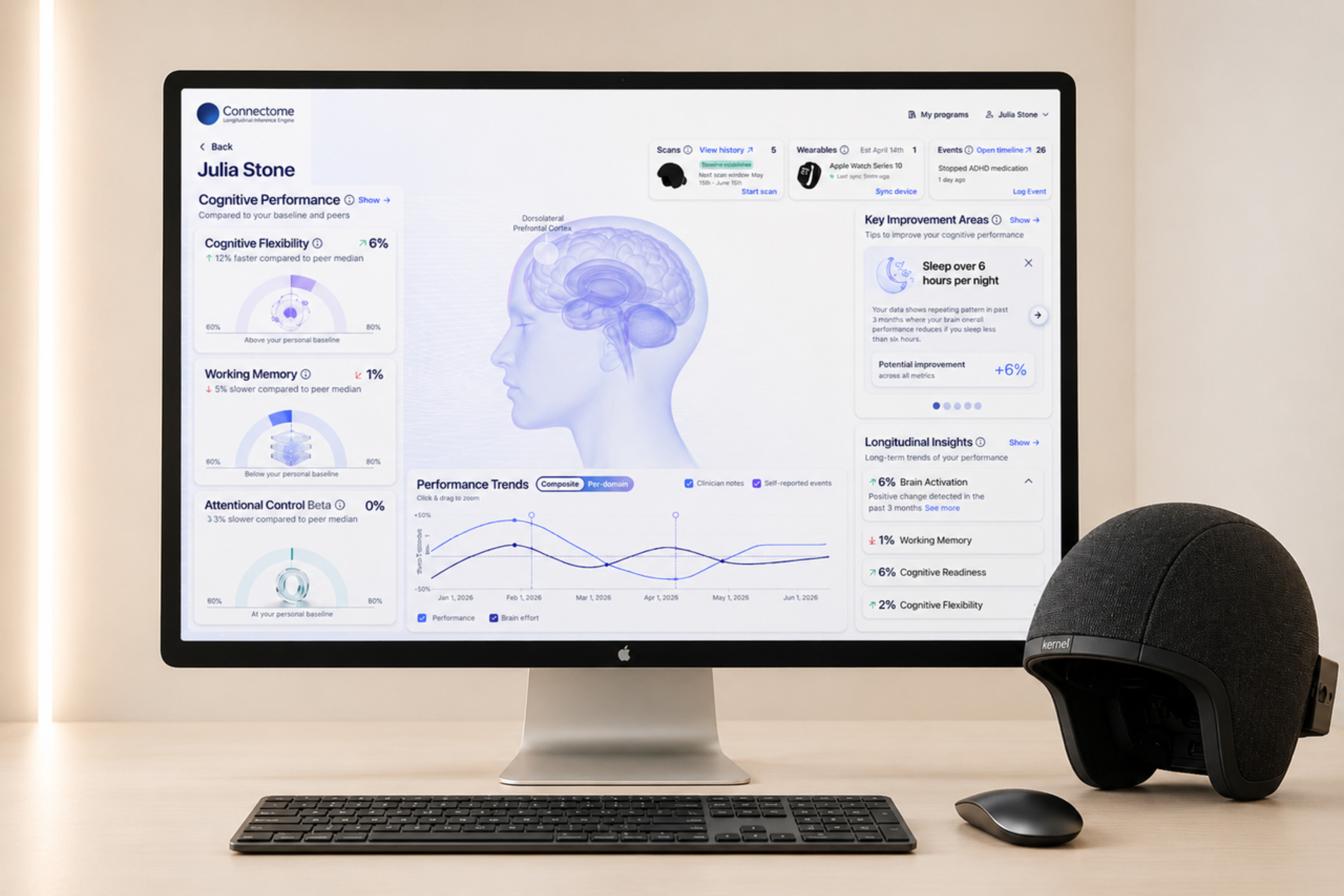
Connectome Health announced USD 2 million in pre-seed financing as it emerged from stealth. Founded by Lucas Scherdel and Rufus Mitchell-Heggs, the Zurich company is developing software to track brain function over time rather than relying on isolated measurements.
Its platform combines brain measurements with information about an individual's circumstances to establish personal baselines and interpret changes in cognition. The funding supports development of this measurement infrastructure for health and performance applications.
Disney Research and NVIDIA researchers in Zurich developed Kamino, a GPU physics solver for robots whose mechanisms contain tightly coupled joints and closed kinematic loops. Built with NVIDIA Warp and integrated into Newton, it can simulate structurally different robots in parallel without first replacing their mechanisms with simplified joint trees.
The researchers demonstrated reinforcement-learning training for DR Legs, a biped containing six nested kinematic loops, using 4,096 parallel environments on one GPU to produce a feasible walking policy. The solver is in beta and targets large simulation batches; dedicated articulated-body solvers remain faster for simple joint trees.
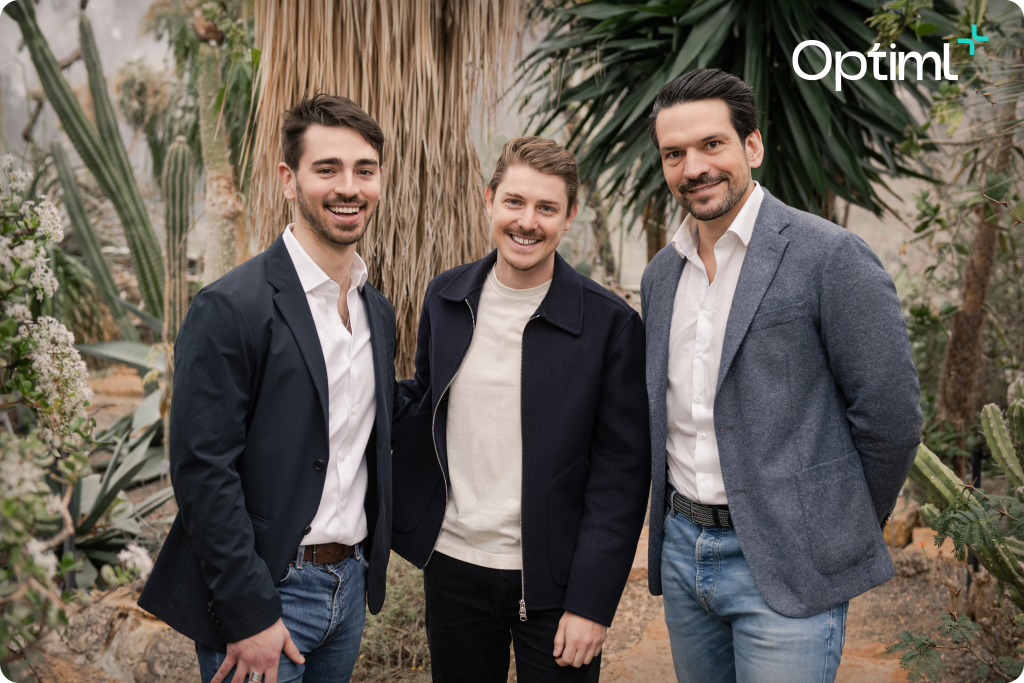
Optiml announced an EUR 8 million seed round to expand its software for planning investment across real-estate portfolios. Built on ETH Zurich research, the system compares whether to retain, sell, refurbish or repurpose buildings while accounting for budgets, financing deadlines, leases and emissions targets.
Its optimisation and energy-simulation tools turn those constraints into sequenced capital-spending plans rather than static building assessments. The company also uses AI to structure source documents such as energy certificates and audit reports, while retaining assumptions and an audit trail so investment teams can examine how a recommendation was produced.
ScyAI emerged from stealth with pre-seed funding led by AENU and co-led by PT1, with better ventures, Earth and angel investors participating. Founder Bernhard Rannegger described the financing as more than USD 2 million. The Zurich company is building software to help businesses understand physical risks to their assets and organise the information used to arrange insurance.
Its AI assistant, Scy, brings together location records, loss histories and policy information that would otherwise be scattered across spreadsheets, emails and broker systems. ScyAI says the platform helps risk and insurance teams quantify their exposure and present a clearer risk profile to insurers when assessing coverage and costs.
Sparkli announced USD 5 million in pre-seed funding to develop interactive learning software for children aged five to twelve. The Zurich-area startup turns a child's question into an activity combining generated explanations, visuals, voice and simulations, rather than a text-only chatbot response.
The financing supports development of its learning engine and testing with families and schools. At the January announcement, Sparkli described a private beta and a pilot with a school group, with a consumer launch planned for June.

Albatross develops AI recommendation systems for products and content.
Motley develops AI software for generating business reports.
Arqh develops AI software to plan and optimize freight operations.
Bloom develops AI software for building mobile apps.
Zenline develops AI software to optimize retail product assortments and margins.